
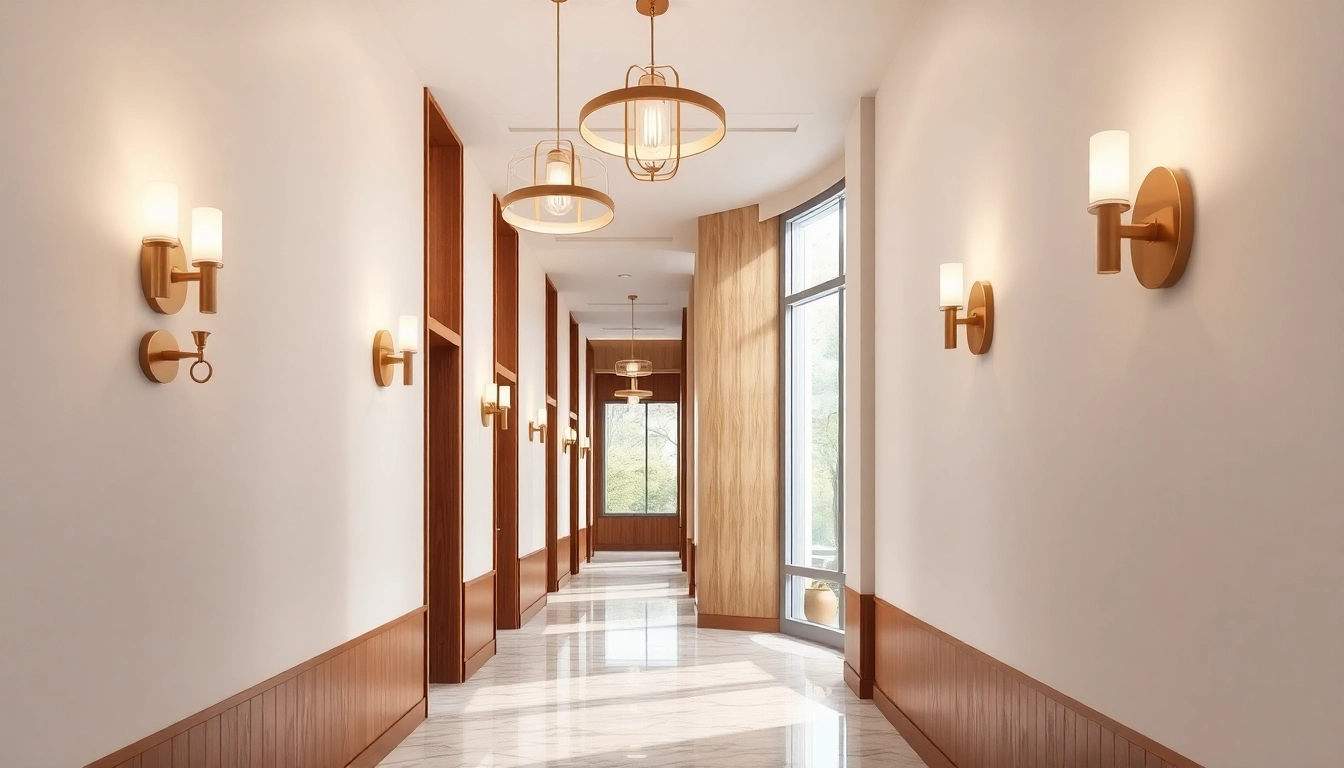
Choosing the Perfect Light Fixtures for Hallway: Style and Functionality Combined
Understanding the Importance of Light Fixtures for Hallway
The hallway often stands as an overlooked aspect of home design, yet it serves as a crucial connector between spaces. How you illuminate this area can influence not only the aesthetic appeal of your home but also its functionality. One key component in achieving optimal hallway lighting lies in choosing the right light fixtures for hallway. Properly selected, these fixtures can enhance safety, ambiance, and visual coherence throughout your home.
Role of Lighting in Hallway Design
Lighting plays a pivotal role in the overall design of a hallway. Beyond its basic function of illumination, effective lighting can accentuate architectural features, guide foot traffic, and create a welcoming environment. Hallways often lack natural light, making strategic lighting essential to prevent them from feeling dreary or cramped. By employing the right light fixtures, you can transform a narrow or expansive hallway into a well-lit and inviting space.
Benefits of Proper Lighting
Proper lighting comes with a suite of benefits:
- Enhanced Safety: Well-lit hallways reduce the risk of accidents. Proper lighting helps occupants navigate and identify potential hazards.
- Aesthetic Appeal: Thoughtfully designed lighting can serve as decor, adding character and charm to your hallway.
- Spatial Perception: Adequate lighting can create the illusion of space, making narrow hallways appear more open and airy.
- Personalization: Your choice of fixtures reflects your personal style, allowing you to express creativity and individuality through design.
Common Misconceptions About Hallway Lighting
Many misconceptions about hallway lighting can lead to suboptimal choices. Here are a few notable ones:
- Overhead Lighting is Enough: While ceiling fixtures are prevalent, supplementary lighting such as sconces can offer layered illumination for improved depth.
- All Fixtures Are Equal: Different fixtures provide varying levels of light distribution, color rendering, and efficiency, impacting ambiance.
- Bigger is Always Better: Choosing oversized fixtures can make a hallway feel cluttered. Balance is essential for visual harmony.
Styles of Light Fixtures for Hallway
Contemporary Designs for Modern Homes
Contemporary hallway light fixtures embrace minimalism and functionality. Sleek lines combined with innovative materials — such as metal and glass — are common features. LED strip lighting is a significant trend, seamlessly integrated into walls or ceilings to deliver an unobtrusive glow. Geometric shapes, pendant lights, and flush mounts work well in modern spaces, delivering both style and efficiency.
Classic Styles and Timeless Appeal
For those who appreciate tradition, classic styles like chandeliers and lanterns remain ever-popular. These fixtures often feature ornate detailing and historical inspiration, creating a sophisticated atmosphere. Materials such as wrought iron and glass add warmth and elegance. Incorporating a classic fixture can honor the architecture of a home while providing essential illumination.
Mixing Styles for Unique Aesthetics
Combining different styles can yield remarkable results, allowing homeowners to showcase their personal taste. Mixing contemporary and classic fixtures can create a unique focal point in the hallway, promoting a cohesive design while celebrating contrasts. Just ensure that the materials and color palettes remain compatible to maintain visual flow.
Choosing the Right Size and Scale
Evaluating Hallway Dimensions
Size matters when it comes to hallway light fixtures. First, assess the width and height of your hallway. For narrow hallways, wall-mounted sconces or slim fixtures prevent visual clutter while maximizing light output. Conversely, expansive hallways can accommodate larger fixtures, such as chandeliers or oversized pendants, providing grand illumination.
Light Fixture Height Guidelines
Proper height placement is vital for achieving an inviting atmosphere while ensuring comfort and functionality. Fixtures should typically be positioned 7 to 8 feet above the floor. This height promotes effective illumination without overwhelming the space or obstructing movement. Always consider the specific needs of individuals who will be using the hallway — if children or pets are present, lower fixtures may pose a risk.
Creating Visual Balance with Scale
Visual harmony is crucial in hallway design. When choosing light fixtures, consider the scale of both the hallway and the fixtures themselves. A small fixture in a large hallway can feel lost, while an oversized fixture can dominate the space. Strive for balance — a good rule of thumb is to select a fixture size that complements the width and height of the hallway, allowing each component to shine.
Best Practices for Installation of Light Fixtures for Hallway
Professional Installation vs. DIY
When it comes to installing light fixtures, homeowners can choose between professional installation and DIY efforts. For complex fixtures or those requiring electrical work, hiring a professional is recommended. However, straightforward installations might be manageable with the right tools and guidance. Always prioritize safety and adhere to local building codes to ensure compliance and efficiency.
Positioning Fixtures for Optimal Light Distribution
The placement of light fixtures greatly affects illumination quality. When installing multiple fixtures, ensure even spacing to avoid dark spots. Sconces should ideally be placed 60 to 66 inches apart to promote balanced lighting. Additionally, consider the light’s direction; fixtures that cast light downward enhance visibility while those directing upward can create ambient light and a more spacious feel.
Energy Efficiency Tips for Hallway Lighting
Cost-effectiveness is an essential consideration in hallway lighting. Opting for energy-efficient LED bulbs can drastically reduce energy consumption while providing excellent brightness. Implementing motion sensors can further enhance efficiency, ensuring lights are only on when needed. Lastly, using fixtures designed to distribute light effectively can minimize energy waste and reduce overall electricity bills.
FAQs About Light Fixtures for Hallway
What types of light fixtures are best for a narrow hallway?
For narrow hallways, wall-mounted sconces or slim pendant lights work well to save space while providing adequate lighting.
How do I choose the right brightness for my hallway?
Opt for fixtures that allow for dimming capabilities or use bulbs that produce ample light without overwhelming the space.
Can I mix different styles of light fixtures?
Yes, mixing styles can create a unique and personalized look; just ensure cohesive design elements to maintain harmony.
What is the ideal height for light fixtures in a hallway?
Light fixtures should be hung between 7 to 8 feet from the floor for optimal visibility and comfort while walking through.
How can I improve energy efficiency with hallway lighting?
Consider LED bulbs, install motion sensors, and use fixtures that enhance light distribution for increased energy efficiency.