
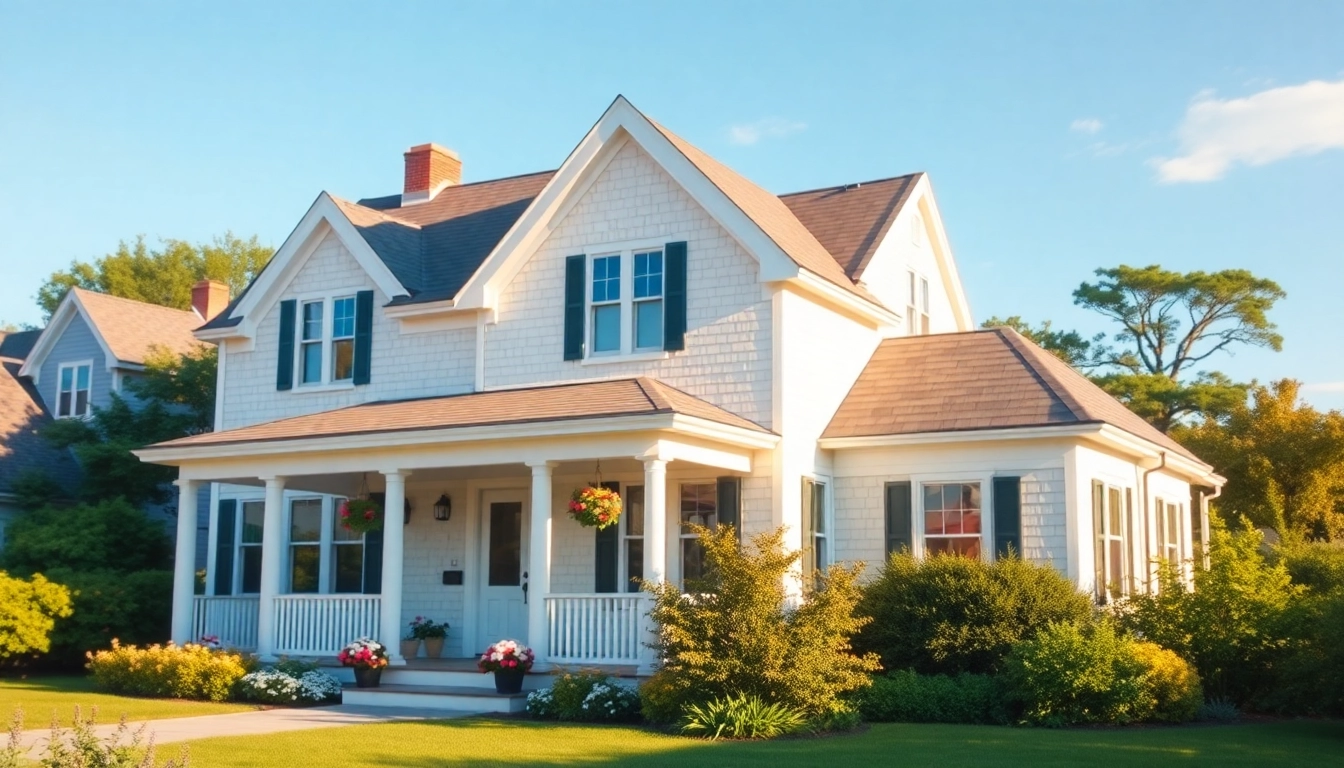
Elegant Cape Cod Homes: Timeless Designs for Modern Living
Understanding the Design Elements of Cape Cod Homes
Cape Cod homes are a timeless architectural style that has captured the hearts of many due to their simplicity, functionality, and deep connection to New England’s coastal heritage. Characterized by steep roofs, dormer windows, and shingle siding, these homes exemplify a style that merges beauty with practicality. For homeowners looking to update or expand their living spaces, understanding the design elements of cape cod homes is crucial. They offer not only visual appeal but also historical significance and modern adaptability.
Key Architectural Features of Cape Cod Homes
The hallmark of Cape Cod architecture lies in its unique features. The steeply pitched roof, often set at a 45-degree angle, serves to quickly shed snow and rain, an essential trait for homes built in coastal zones. Another defining feature is the dormer windows, which not only add charm but also provide additional natural light and space in the upper levels of the home.
This architectural style often employs clapboard or shingle siding painted in soft, muted colors that harmonize with the surrounding environment. Symmetrical design in the facade creates a pleasing aesthetic, usually accompanied by a centered front door flanked by evenly placed windows.
Historical Significance in Cape Cod Architecture
The history of Cape Cod homes dates back to the early Colonial period in New England. Originally constructed as simple dwellings, these homes were designed to withstand the harsh coastal climate. The practicality and straightforward construction methods were influenced by the settlers’ need for durability and economy.
Today, Cape Cod homes are revered not only for their aesthetic qualities but also for their representation of American history and culture. Preserving these homes has become a priority for many communities, leading to a resurgence of interest in traditional building techniques and materials.
Modern Adaptations in Cape Cod Home Designs
In recent years, there has been a trend towards modern adaptations of the Cape Cod style, blending traditional aesthetics with contemporary amenities. Homeowners are increasingly focused on incorporating sustainable designs and energy-efficient materials. This includes installing large windows for enhanced natural lighting, utilizing high-quality insulation, and choosing eco-friendly building materials.
Moreover, modern Cape Cod homes often feature open floor plans, merging living spaces for a more fluid experience. This adaptability ensures that these classic homes remain relevant for today’s living standards without losing their historical charm.
Choosing the Right Location for Your Cape Cod Home
Finding the perfect location for a Cape Cod home is as critical as its design. The allure of coastal living provides numerous options; however, various factors should be considered to ensure that homeowners enjoy the full benefits of their environment.
Benefits of Coastal Living with Cape Cod Homes
Living in a Cape Cod home by the coast offers numerous advantages. The proximity to beaches provides endless opportunities for outdoor activities, including sailing, fishing, and beachcombing. Coastal living also enhances a sense of community; many towns along the coast foster quaint atmospheres with local shops, farmers’ markets, and seasonal festivals.
Furthermore, the ocean breeze yields natural cooling, potentially lowering energy expenditures, while the surrounding natural beauty promotes a peaceful and relaxing lifestyle, which has positive mental health benefits.
Community Insights for Potential Homebuyers
Understanding the community dynamics is vital for anyone considering a Cape Cod home. Each town along the coast has its own character and amenities; while some are known for their vibrant arts scenes, others may focus on history or family-oriented activities. Researching local schools, healthcare facilities, and cultural offerings will help you find a community that aligns with your lifestyle.
Engaging with local residents through community forums or attending town meetings can provide invaluable firsthand insight into the area’s livability and any potential challenges to be aware of.
Evaluating Property Values in Cape Cod Regions
Property values in Cape Cod regions can be influenced by various factors such as location, historical significance, and proximity to the coast. Market trends indicate that homes near waterfronts often command top dollar due to their desirability. However, potential buyers should also consider seasonal fluctuations in demand and rental potentials if they are looking for investment opportunities.
Consulting with real estate professionals who specialize in Cape Cod properties can provide guidance and insights into pricing trends and neighborhood evaluations, ensuring a sound investment decision.
Interior Design Trends for Cape Cod Homes
Once the structural and locational aspects are settled, attention can turn to the interior design, which is critical in creating a warm and welcoming environment that resonates well with the coastal charm of Cape Cod.
Incorporating Nautical Themes in Home Interiors
Nautical themes always resonate well in Cape Cod homes, evoking the maritime backdrop that characterizes the region. Using elements like marine-inspired décor, such as ropes, anchors, and seashells, can create a cohesive aesthetic throughout the home.
Popular choices include navy and white color schemes, complemented by splashes of coral or sandy tones. Textured fabrics, such as linen and cotton, enhance the relaxed, beachy feel, while artwork depicting seascapes or nautical scenes can serve as focal points in any room.
Color Palettes That Shine in Cape Cod Homes
Color palette selection is paramount in maintaining the homes’ airy and sunlit essence. Soft blues, greens, and neutrals are prevalent choices that reflect the serene environment of Cape Cod’s coastal landscapes.
Accents of warmer colors such as yellows or terracottas can be utilized to evoke a welcoming atmosphere, particularly in living spaces or kitchens. Utilizing a mix of light and dark shades in different areas can create depth and interest, while keeping the overall design harmonious.
Maximizing Natural Light in Your Living Spaces
Natural light is a crucial element in making the most of a Cape Cod home’s interior. Large windows and strategically placed mirrors can enhance the flow of light. Open floor plans can also aid significantly in creating expansive, light-filled spaces that feel connected to nature.
Furthermore, skylights are excellent additions for maximizing sunlight exposure in upper levels or areas that may lack sufficient window lighting. Choosing light-colored furnishings and décor can reflect light and enhance the bright, cheerful ambiance characteristic of Cape Cod living.
Landscaping Ideas to Complement Cape Cod Homes
Landscaping around a Cape Cod home should reflect the natural beauty of the coastal environment while enhancing the property’s curb appeal. Thoughtful landscape design can create inviting outdoor spaces for relaxation and entertainment.
Building a Lush Garden around Your Cape Cod Home
A lush garden can serve as a natural extension of your Cape Cod home. Incorporating native plants like beach grass, hydrangeas, and other coastal flora can create a stunning layout that requires minimal maintenance. Raised beds can add dimension and improve drainage, while pathways made from local stones can enhance the rustic appeal.
Additionally, installing features like garden benches or a gazebo can provide inviting spaces to appreciate one’s surroundings, making the garden a central place for family gatherings or quiet reflections.
Creating Outdoor Living Spaces for Relaxation
Outdoor living spaces are a key aspect of Cape Cod life. Whether through a deck, patio, or sunroom, these areas are designed for relaxing or socializing while taking in the stunning views. Featuring comfortable furniture, soothing lighting, and elements like fire pits can enhance outdoor enjoyment.
Incorporating a dining area outdoors allows for meals surrounded by nature, while comfortable lounge chairs near a garden or pool can create a personal retreat where one can unwind.
Choosing Sustainable Plants for Coastal Soils
Coastal soils can present challenges, particularly with salt spray and sandy conditions. Choosing sustainable plants that thrive in such environments ensures that your garden remains beautiful without excessive upkeep. Native species, such as ornamental grasses and oceanfront shrubs, are not only resilient but also provide beneficial habitats for local wildlife.
Moreover, creating a rain garden can effectively manage stormwater runoff and reduce erosion, showcasing an innovative approach to sustainable landscaping while enhancing beauty and biodiversity.
FAQs about Cape Cod Homes
What are the defining characteristics of Cape Cod homes?
They typically feature steeply pitched roofs, dormer windows, and a symmetrically designed facade.
How do I maintain a Cape Cod home?
Regular maintenance includes roof inspections, paint touch-ups, and landscaping care to preserve its charm.
Are Cape Cod homes energy efficient?
Modern designs often incorporate energy-efficient windows and insulation, reducing heating and cooling costs.
What is the average cost of buying a Cape Cod home?
Prices vary by location, but expect an average range of $400,000 to $1 million based on size and proximity to the coast.
Can I customize my Cape Cod home?
Absolutely! Many homeowners choose to personalize features like layouts, finishes, and outdoor spaces for individuality.