
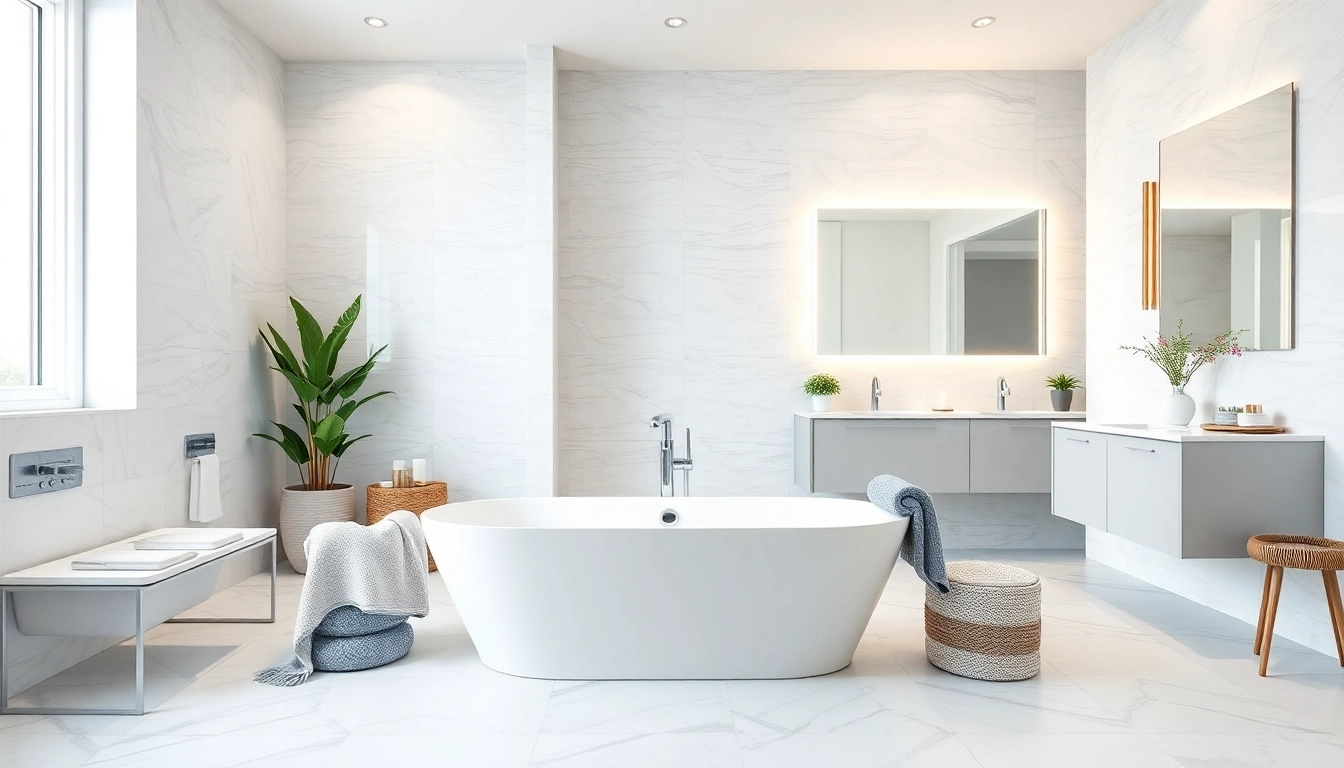
Elevate Your Home with Expert Bathroom Remodelling Solutions
Understanding the Basics of Bathroom Remodelling
What is Bathroom Remodelling?
Bathroom remodelling is the process of renovating or updating all or part of a bathroom to enhance its functionality, aesthetics, and overall value. This can range from minor updates, such as changing fixtures and fittings, to extensive renovations that involve structural changes, layout adjustments, and the installation of high-end materials. Bathroom remodelling is often considered a worthwhile investment for homeowners looking to modernize their spaces or improve usability.
Key Elements to Consider
When embarking on a bathroom remodelling project, it is essential to consider various key elements that will affect both the immediate aesthetics and long-term functionality:
- Layout: The arrangement of fixtures, such as the toilet, sink, and shower, influences usability significantly. Explore optimal layouts that promote ease of movement.
- Lighting: Proper lighting transforms the ambiance of the bathroom. Layer lighting through overhead fixtures, task lighting around mirrors, and accent lighting to highlight features.
- Storage Solutions: Integrate smart storage solutions like built-in shelves, cabinets, and vanity units, maximizing space even in smaller bathrooms.
- Ventilation: A well-vented bathroom reduces humidity, preventing mold and maintenance issues. Consider exhaust fans or windows to improve airflow.
- Materials: Thoughtful selections of tiles, finishes, and fixtures enhance durability and aesthetics. Choose water-resistant and easy-to-clean materials to maintain the bathroom.
Common Challenges Homeowners Face
Homeowners often encounter specific challenges during bathroom remodelling. Understanding these hurdles can help in planning and execution:
- Budget Overruns: Underestimating costs is common. Planning and researching materials and labor can mitigate unexpected expenses.
- Timeline Extensions: Delays might arise from complications such as plumbing issues or supply chain disruptions. Establishing a realistic timeline can reduce stress.
- Design Conflicts: A lack of clear vision may lead to discrepancies between initial ideas and final outcomes. Collaborating with a designer can help align expectations.
- Vendor Coordination: Managing multiple contractors often causes miscommunication. Maintaining clear communication and project management practices is crucial.
Design Inspirations for Bathroom Remodelling
Modern vs. Traditional Styles
Bathroom styles can significantly influence the overall feel of your space. Here’s a look at both modern and traditional design inspirations:
- Modern Styles: Characterized by clean lines, sleek designs, and a minimalist approach, modern bathrooms often incorporate materials like glass, chrome, and large-format tiles. Key features may include freestanding tubs, walk-in showers, and high-tech fixtures.
- Traditional Styles: Antique finishes, ornate tiles, and classic fixtures define traditional bathrooms. Rich woods, vintage lighting, and clawfoot tubs create a timeless ambiance reminiscent of bygone eras.
Incorporating Eco-Friendly Solutions
Eco-friendly design solutions are increasingly popular among homeowners focused on sustainability:
- Water-Saving Fixtures: Install low-flow faucets and showerheads to reduce water consumption without sacrificing performance.
- Energy-Efficient Lighting: Use LED lighting to cut electricity costs and reduce environmental impact.
- Recyclable Materials: Opt for materials such as recycled glass tiles or sustainably sourced wood for cabinets.
- Natural Ventilation: Incorporate windows or skylights that promote natural airflow, reducing reliance on artificial heating and cooling.
Color Schemes and Material Choices
Selecting the right color scheme and materials can transform your bathroom into a soothing retreat:
- Color Palettes: Soft pastels create an airy feel, while deep hues can provide a dramatic and cozy ambiance. Neutral tones remain popular for versatility.
- Texture Variations: Combining different textures, such as matte tiles with glossy fixtures, can add depth and interest to your design.
- Functional Flooring: Choose slip-resistant tiles or luxury vinyl for safety and longevity while maintaining style.
Planning Your Bathroom Remodelling Project
Setting a Budget and Timeline
The success of your bathroom remodelling hinges on a well-defined budget and timeline. Here’s how to approach these aspects:
- Establish Your Budget: Begin by calculating a realistic budget that includes materials, labor, and additional costs like permits or unexpected repairs.
- Prioritize Features: Identify which aspects of the remodel are most important to you, enabling balanced spending across critical areas.
- Create a Timeline: Draft a project timeline with designated milestones, adjusting for possible delays or changes in scope.
Finding the Right Professionals
Selecting qualified professionals is vital to achieving your bathroom vision. Consider the following:
- Research Contractors: Look for local contractors with a strong portfolio in bathroom remodelling. Reading reviews and asking for referrals can lead to reputable professionals.
- Check Credentials: Verify licenses, insurance, and experience to ensure the contractor is qualified for your project.
- Request Quotes: Obtain detailed quotes from multiple contractors that break down costs and services offered.
Permits and Regulations Explained
Understanding local building codes and obtaining necessary permits is crucial to a legal and safe bathroom remodelling project:
- Determine Permit Requirements: Contact your local building authority to learn what permits are required for your project.
- Plan for Inspections: Some renovations may need inspections by a building official to ensure compliance with health and safety standards.
- Documentation: Keep all permits and related paperwork organized and accessible throughout the project to avoid complications.
Implementation Steps for Successful Bathroom Remodelling
Starting with Demolition and Preparation
The initial phase of remodelling involves thorough preparation and careful demolition:
- Water and Electrical Shutdown: Before demolition begins, ensure all water sources and electrical systems are shut off for safety.
- Remove Fixtures: Detach existing fixtures, such as toilets, sinks, and cabinets, keeping the space clear for new installations.
- Inspect for Damage: Check underlying plumbing, electrical wiring, and structural components for signs of wear, addressing problems before proceeding.
Installation Process Overview
The core work of bathroom remodelling involves installation and transformation. Key steps include:
- Rough-In Plumbing and Electrical: Install any necessary plumbing and electrical components before walls and floors are finished.
- Install Fixtures: Following the plumbing, install large fixtures such as bathtubs, showers, and toilets, ensuring proper alignment and functionality.
- Finish Walls and Floors: Lay tiles or install waterproof drywall, ensuring a seamless look and functionality in wet areas.
Finishing Touches for Seamless Integration
Once the heavy lifting is complete, focus on the finishing aspects that add character to the remodel:
- Cabinet and Countertop Installation: Choose stylish cabinets and countertops that match your overall design theme for a cohesive look.
- Hardware and Fixtures: Install faucets, towel bars, and cabinet hardware that complement your decorative theme.
- Accessorizing: Finally, add decorative elements such as mirrors, shelving, and artwork that reflect your personal style.
Maintenance and Long-term Care After Remodelling
Routine Cleaning Tips
Keeping your newly remodelled bathroom in pristine condition requires consistent cleaning practices:
- Choose the Right Cleaners: Use non-abrasive, pH-balanced cleaners for surfaces to preserve finishes and avoid damaging materials.
- Regular Dusting and Scrubbing: Implement routine dusting to prevent grime buildup and periodic scrubbing, focusing on high-touch areas like faucets.
- Dry Wet Areas: Wipe down wet surfaces post-shower to minimize water spots and the risk of mold growth.
Addressing Common Maintenance Issues
To maintain functionality and aesthetics, tackle common bathroom issues swiftly:
- Leaky Faucets: Address leaks promptly by replacing washers or seals to conserve water and avoid damage.
- Grout Maintenance: Regularly inspect and re-grout tiles where necessary to prevent water ingress and staining.
- Mildew or Mold Control: Ensure your bathroom is well-ventilated to reduce mold growth, using mold-resistant paints and treatments.
Ensuring Longevity of Fixtures and Materials
Preserving your investment is crucial. Apply these tactics to ensure longevity:
- Quality Materials: Choose high-quality materials that withstand moisture and frequent use for durability.
- Routine Inspections: Regularly check plumbing, fixtures, and electrical components for signs of wear, repairing or replacing as needed.
- Expert Maintenance Services: Engage professionals for periodic maintenance checks to prolong the life of your bathroom fixtures and systems.
Frequently Asked Questions
What are the top trends in bathroom remodelling?
Top trends include smart technology integration, minimalist designs, and sustainable materials, focusing on functionality and style.
How long does a bathroom remodelling project take?
The duration can vary, but a typical project lasts between 3 to 6 weeks, depending on scope and design complexity.
What factors affect the cost of bathroom remodelling?
Factors include materials chosen, the size of the bathroom, design complexity, and whether structural changes are made during remodelling.
Do I need a permit for bathroom remodelling?
Typically, permits are required if you’re making structural changes. Check your local regulations to ensure compliance.
How can I maintain my newly remodelled bathroom?
Regular cleaning, proper ventilation, and addressing issues promptly can help maintain its beauty and functionality over time.