Understanding the Importance of a Dorm Room Fridge
Living in a dorm can be an exhilarating experience, filled with newfound independence and the excitement of university life. Yet, navigating the daily necessities can be challenging, particularly when it comes to food storage. One essential item that can enhance your dorm experience is a dorm room fridge. This small appliance not only helps keep your food and drinks fresh but also contributes significantly to your overall college experience.
Why You Need a Dorm Room Fridge
A dorm room fridge serves multiple purposes. Firstly, it provides a convenient way to store snacks and perishable items, which is essential for maintaining a healthy diet amidst a hectic academic schedule. Secondly, it can save money, as purchasing groceries in bulk and avoiding overpriced campus dining options can drastically reduce overall food expenses. In addition, having immediate access to your favorite foods can improve your mood and help you manage stress during exams.
Benefits of Having a Personal Fridge
The advantages of owning a personal fridge in your dormitory extend beyond food storage. It allows for meal preparation, accommodating leftovers, and offers the flexibility to stock up on personal essentials, such as beverages, fruits, and easy-to-prepare meals. Moreover, sharing a communal fridge can lead to issues such as food theft or spoilage, which can be avoided with your own dedicated space. Additionally, it fosters independence, teaching you responsibility in terms of managing your food inventory and keeping your space organized.
Space Considerations for Your Dorm Room Fridge
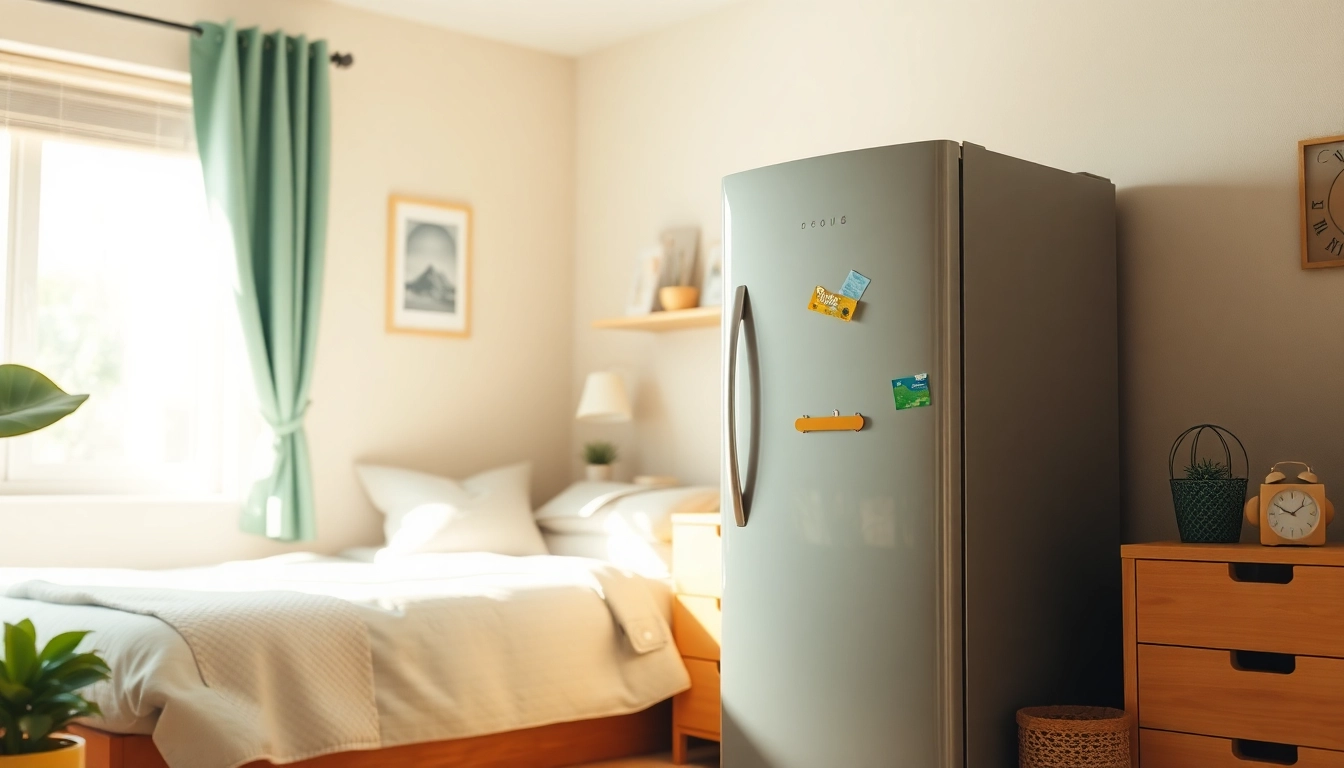
Choosing the right dorm room fridge also means considering the spatial constraints of your living situation. Dorm rooms can be small, often lacking the space for larger appliances. Understanding your room layout can help optimize your fridge placement, ensuring you get the most out of your available space while avoiding clutter. Various models are specifically designed to be compact yet effective, making it easy for you to find a suitable option without sacrificing style or functionality.
Types of Dorm Room Fridge
Mini Fridges vs. Compact Refrigerators
When it comes to dorm room fridges, they generally fall into two categories: mini fridges and compact refrigerators. Mini fridges typically have a capacity of about 1.5 to 4.5 cubic feet, making them perfect for basic needs or limited space. Conversely, compact refrigerators can offer more storage capacity and sometimes come equipped with a small freezer section. Assessing your personal requirements—how many snacks, drinks, or meals you typically need to store—can guide you in making the right choice.
Energy-efficient Options for Dorm Room Fridge
In today's environmentally conscious world, energy efficiency is a major consideration for many students. Energy-efficient dorm room fridges are designed for users looking to minimize electricity use while preserving the effectiveness of food storage. Search for models that are Energy Star rated, as they use considerably less energy and can lower your utility bills while also benefiting the environment.
Special Features to Look For
When selecting a dorm room fridge, consider additional features that can enhance your user experience. Adjustable shelves can offer flexibility for taller items, while built-in can dispensers ensure easy access to refreshments. Also, models with reversible doors provide versatility in arranging your space. Noise levels should also be considered; some models operate quietly, which is crucial for maintaining a study-focused environment.
Selecting the Right Size for Your Dorm Room Fridge
Measuring Your Available Space
Before purchasing a dorm room fridge, it’s vital to measure your available space accurately. Take into account not just the floor area but also the height and width constraints given by shelves, desks, or closets in your dorm. Ensure there's enough room for the fridge to ventilate properly; most models will require a couple of inches of clearance on each side for their optimal functionality.
Capacity Considerations: How Much Can You Store?
Your storage needs should drive the size you select. If you live alone and prefer cooking at home, a larger model may be necessary. On the other hand, a mini fridge could suffice if you primarily snack and drink beverages. Determine what you will store most frequently and consider the amount of food and drink typically consumed throughout the week to make a wise choice.
Common Sizes and Their Suitability
Dorm room fridges come in a variety of sizes, each catering to different needs. A typical compact model ranges from 5 to 10 cubic feet, while larger options can exceed this range. For most students, a fridge in the 3 to 5 cubic feet range balances functionality and ensures it fits easily within dorm parameters without overwhelming the space.
Setting Up Your Dorm Room Fridge
Best Locations for Your Fridge
Placement of your dorm room fridge is as important as the fridge itself. Identify a spot that is both accessible and inconspicuous; common placements include under desks, in corner spaces, or atop cabinets. Ensure the location is close to an electrical outlet but has enough space around the fridge for airflow to prevent overheating.
Organizing Your Fridge for Easy Access
Effectively organizing your dorm room fridge can save you time and frustration. Consider using bins or organizers for different food categories, such as snacks, drinks, and meals. Labeling sections can help with quick access, especially during late-night study sessions when grabbing a snack is more about efficiency than deliberation. Regularly surveying your stock can help keep everything manageable.
Safety Tips for Using Your Dorm Room Fridge
Maintaining safety in your dorm room fridge is crucial, especially since you'll be storing perishable items. Always check expiration dates on food items regularly. Avoid overfilling your fridge, ensuring air can circulate properly and that food can be kept at safe temperatures. Additionally, ensure your fridge is properly plugged in and verify that the electrical outlet is secure to avoid any fire hazards.
Maintenance and Care for Your Dorm Room Fridge
Cleaning Tips for Optimal Performance
Regular cleaning and maintenance can extend the life of your dorm room fridge. Aim to clean the interior monthly, removing stale items and wiping down surfaces with a mixture of warm water and vinegar for an antibacterial effect. Don’t forget to clean the coils on the back or bottom to prevent dust buildup, which can impact efficiency.
Recognizing Common Issues and Troubleshooting
Understanding what common issues may arise can help you address them quickly. If the fridge is not cooling, check if it’s plugged in or if the temperature settings are correct. Unusual noises can signal a potential malfunction, and a fridge that is constantly running may indicate blocked vents or failing components. Knowing these signs can help prevent major issues from developing.
When to Seek Professional Help
Sometimes, despite your best efforts, problems can persist. If you notice significant leaks, an ongoing failure to cool, or electrical issues beyond simple troubleshooting, it is wise to contact a professional. Attempting repairs beyond your skill set can lead to further damage or safety hazards, so don't hesitate to seek help when necessary.
FAQs
What size of dorm room fridge is best for students?
Typically, a mini fridge with a capacity of 3-4 cubic feet is ideal for most students, fitting in compact spaces while providing ample storage.
Can I bring a full-size fridge to my dorm?
Most dorms restrict full-size fridges due to space limitations and energy usage; check your dorm's regulations before purchasing.
How do I clean my dorm room fridge?
Unplug the fridge, remove all food, and clean the interior with mild soap and warm water. Leave the door open to air dry completely.
Are there energy-efficient dorm room fridges?
Yes, look for Energy Star-rated models that consume less electricity while maintaining proper cooling, helping save on utility bills.
How do I prevent my fridge from smelling bad?
Regularly clean it, keep leftovers sealed, and place baking soda inside to absorb odors, ensuring a fresh smell.