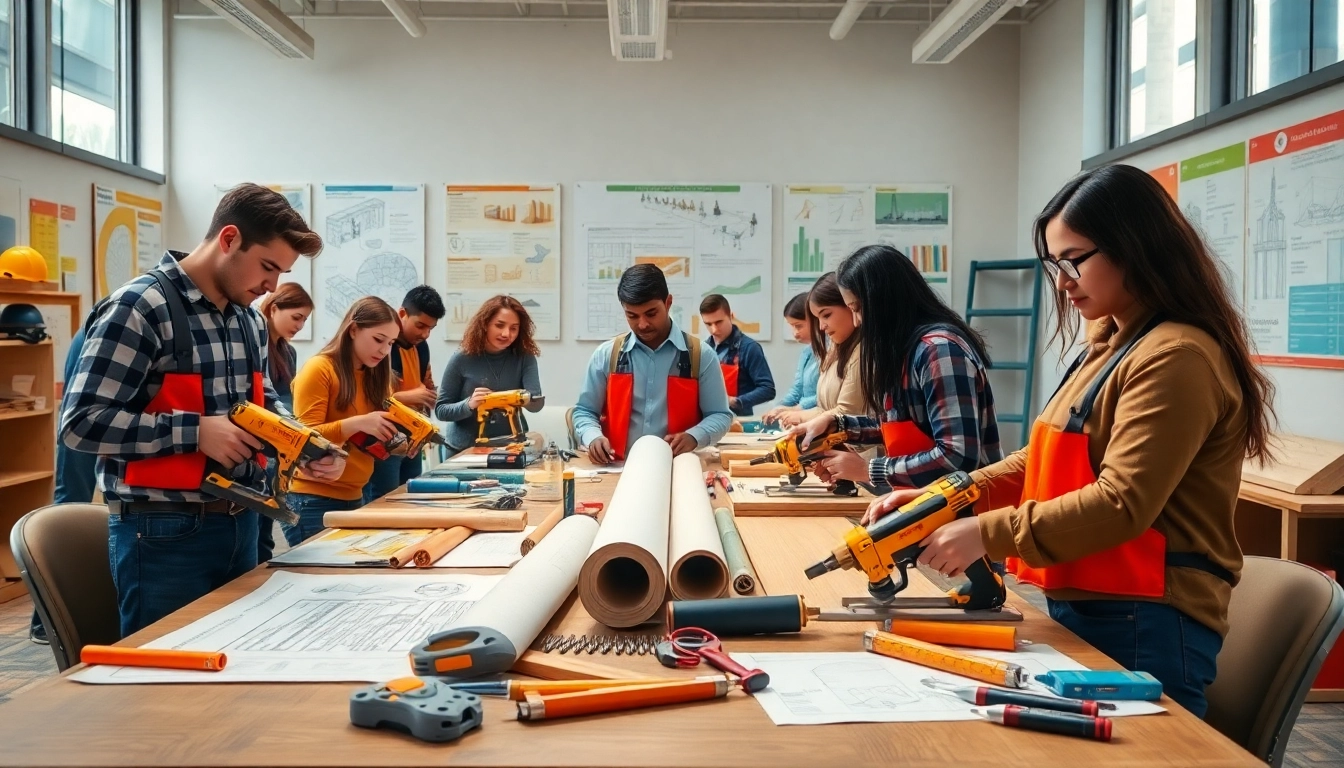
Understanding the Importance of Construction Classes
The construction industry is a cornerstone of modern society, shaping our homes, commercial spaces, and infrastructure. However, it is also a field that requires specialized knowledge and skills. Enrolling in construction classes offers a structured path for both aspiring professionals and those looking to enhance their skills. But why are these classes so vital? Understanding their significance can shine a light on the value they provide to students and the industry at large.
Benefits of Enrolling in Construction Classes
There are numerous advantages to taking construction classes, which can be categorized into educational, professional, and personal growth.
- Educational Growth: Construction classes provide foundational knowledge about building systems, materials, and safety regulations that are crucial for any construction project.
- Professional Networking: These courses often include opportunities to meet industry professionals, creating valuable connections that can lead to job placements or mentorship.
- Career Advancement: Many employers prefer or require formal education for certain positions. Having credentials from reputable construction classes can enhance job prospects.
- Hands-On Experience: Practical learning through workshops and simulations helps students master techniques and tools they will use in the field.
- Confidence Building: Skill development fosters self-confidence, enabling students to tackle real-world challenges with ease.
Key Skills Gained Through Construction Training
Construction classes equip students with a toolbox filled with various skills. Key areas of focus often include:
- Blueprint Reading: Understanding and interpreting construction drawings and specifications.
- Site Management: Learning how to oversee project timelines, budgets, and worker safety.
- Technical Proficiency: Gaining expertise in using tools and technology, including software for design and modeling.
- Problem Solving: Developing the ability to troubleshoot issues onsite quickly and effectively.
- Safety Protocols: Mastering compliance with safety regulations to ensure a secure working environment.
How Construction Classes Prepare Students for Careers
Effective construction programs focus not only on technical skills but also on preparing students for the realities of the workplace. This preparation takes various forms:
- Project-Based Learning: Many courses emphasize practical workshop projects, giving students a taste of real-world scenarios.
- Internship Opportunities: Programs might offer partnerships with local companies for experiential learning.
- Career Services: Many schools provide career support, helping students craft resumes, sharpen interview skills, and connect with potential employers.
Core Curriculum of Construction Classes
The curriculum offered in construction classes is comprehensive and designed to cover various aspects essential for a career in construction.
Fundamental Construction Skills and Techniques
Training often begins with basic skills necessary for all construction workers:
- Basic Carpentry: Learning to cut, shape, and install building materials in various settings.
- Concrete Work: Understanding the properties and application of concrete for foundations and structures.
- Electrical Basics: Gaining elementary knowledge about electrical systems, essential for many building projects.
- Plumbing Fundamentals: Learning about pipe systems and installations crucial for residential and commercial buildings.
Advanced Techniques Taught in Class
As students progress, they delve into advanced concepts vital for specialization in certain areas:
- Project Management: Techniques for overseeing large construction projects and coordinating teams.
- Sustainable Building Practices: Learning how to implement eco-friendly methods and materials in construction.
- Advanced Structural Engineering: Studying the principles behind designing safe, resilient structures.
- Cost Estimation: Acquiring skills in budgeting and financial management of construction projects.
Real-World Applications of Skills Learned
One of the main advantages of hands-on training is the opportunity to apply skills in real-world contexts. Students might:
- Participate in community construction projects.
- Work on simulated job sites to practice and refine their techniques.
- Engage in competitions that mimic real-life challenges.
Finding the Right Construction Classes
Selecting an appropriate program is critical. Here’s how to approach the search:
Identifying Quality Programs and Instructors
Quality matters immensely. Look for programs with:
- Accreditation: Ensure the classes are recognized by industry standards.
- Experienced Instructors: Career professionals with firsthand knowledge of the field can provide valuable insights.
- Positive Alumni Feedback: Research graduate outcomes and industry connections.
Comparing Costs and Locations
Cost is a crucial factor in education. Consider the following:
- Tuition Prices: Compare costs across different institutions, factoring in additional fees.
- Location Accessibility: Choose programs that are conveniently located or offer flexible schedules.
- Financial Aid Opportunities: Investigate scholarships and other funding options available for students.
Online vs. In-Person Construction Classes
As educational models evolve, the choice between online and in-person training presents new advantages and challenges:
- Online Classes: Flexibility in schedule and potentially lower costs, but with limited hands-on experience.
- In-Person Classes: More interaction with instructors and hands-on practices, but often demanding on time and travel.
Challenges Faced in Construction Education
The path to becoming skilled in construction is not without obstacles. Being aware of these can help students navigate their education effectively.
Common Obstacles for Students
Students may encounter various challenges, such as balancing coursework with other commitments, maintaining focus in an often physically demanding program, or financial constraints that may impede their education.
Addressing Learning Gaps
Many students enter programs with differing levels of knowledge. Identifying and addressing these gaps through supplemental tutorials or mentorship can improve overall success.
Overcoming Technical Skills Barriers
Some students may struggle with the technical aspects of construction, such as calculations and tools. Remedial workshops focusing on these challenges can enhance technical proficiency.
Future Trends in Construction Education
As the construction industry evolves, educational trends must adapt to meet the changing demands of the workforce.
Incorporating Technology in Construction Training
Emerging technologies like Building Information Modeling (BIM), drones, and augmented reality are becoming essential tools in construction. Training programs increasingly integrate these technologies to prepare students.
Preparing for Evolving Industry Standards
With sustainability and energy efficiency gaining prominence, education must keep pace. Programs are enhancing their focus on green building practices, ensuring graduates are equipped to handle new regulations and standards.
Community Involvement and Support for Students
Community ties play a crucial role in education. Support networks, mentorship opportunities, and local industry partnerships can bolster educational experiences and provide essential networking pathways for students.
FAQs About Construction Classes
What is the duration of construction classes?
Construction classes can range from a few weeks for basic workshops to several months for comprehensive programs, depending on depth and focus.
Are construction classes suitable for beginners?
Yes, many construction classes are designed for beginners and offer fundamental training, making them accessible to people with no prior experience.
Can I take construction classes online?
Absolutely. Many institutions now offer online construction classes that cover theory and some practical aspects effectively, though hands-on practice may be limited.
What certifications can I earn from construction classes?
Many programs offer certifications in specific skills such as OSHA safety, electrical systems, or blueprint reading, which are valuable in the job market.
How do I know if a program is accredited?
Check the program's website for accreditation details or consult local industry associations to verify their recognition and standards.