
Guided Insights and Essential Tips for the Sandakphu Trek
Introduction to the Sandakphu Trek
The sandakphu trek is one of the most breathtaking trekking experiences in the Himalayas, famed for its panoramic views of four of the world’s highest peaks: Mount Everest, Kanchenjunga, Lhotse, and Makalu. Nestled at the border of India and Nepal, Sandakphu offers trekkers a unique blend of natural beauty, cultural diversity, and a challenging yet rewarding adventure.
What Makes Sandakphu Trek Unique
The uniqueness of the Sandakphu trek lies in its diverse landscapes and rich cultural tapestry. The trek provides an immersion into the Sherpa and Bengali cultures, with opportunities to engage with local communities along the route. Moreover, its altitude and location offer arguably the best views of the Himalayan giants, where trekkers can capture the Himalayan skyline at sunrise and sunset.
Overview of Trekking Experience
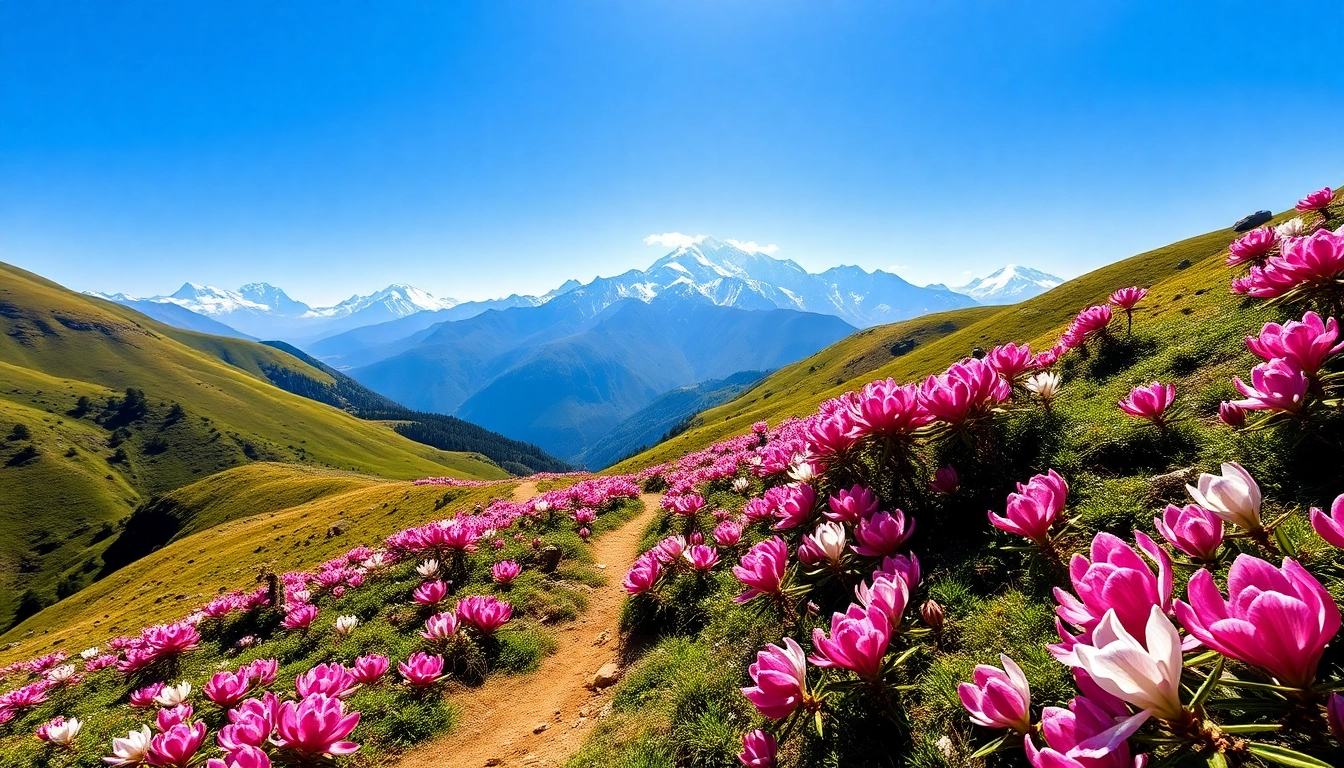
This trek typically spans about 50 kilometers and is spread over a course of 5-7 days, making it suitable for trekkers with moderate fitness levels. The clear, crisp mountain air, along with the melodic sounds of local wildlife, make every step a memorable experience. Trekking through rhododendron forests, vast meadows, and rocky terrains not only challenges the body but also deeply soothes the soul.
Key Highlights of the Journey
- Unmatched views of Mount Everest and Kanchenjunga.
- Cultural experience through local villages inhabited by the Sherpas.
- Exploration of lush forests, diverse fauna, and flora.
- A chance to witness different phases of the Himalayan ecosystem.
- Engagement with local tea houses and their hospitable culture.
Preparing for Your Sandakphu Trek
Preparation is critical for a successful trekking experience. From gear selection to physical training, being well-prepared can immensely enhance your trekking experience.
Essential Gear for the Trek
Having the right gear is vital for comfort and safety on the trails. Essential items include:
- Footwear: Sturdy trekking boots are crucial for traction and comfort.
- Clothing: Layered clothing is essential due to varying temperatures. Waterproof jackets and thermal layers provide protection against the elements.
- Backpack: A comfortable backpack with adequate support to carry essentials like water, snacks, a first aid kit, and personal items.
- Navigation Tools: A map, compass, or GPS device to ensure you stay on track.
- Personal Items: Sunscreen, sunglasses, hydration system, and trekking poles for stability.
Physical Preparation and Training
Physical fitness plays a huge role in how enjoyable your trek will be. It is advisable to start training a few weeks in advance with a focus on cardiovascular and strength-building exercises. Consider hiking local trails to build endurance. Focus on:
- Cardio exercises like running and cycling.
- Strength training, particularly for legs, core, and back.
- Flexibility exercises and stretching to reduce injury risks.
Understanding Weather Conditions
The weather can greatly affect your trekking experience. The Sandakphu region experiences four distinct seasons, and weather patterns can fluctuate, making it important to plan accordingly. Be prepared for sudden changes in temperature and be aware of the best trekking months for clear skies and stable weather.
Navigating the Sandakphu Trek Route
Navigating the Sandakphu trek involves understanding the various segments of the trail and planning your itinerary carefully.
Detailed Itinerary Overview
A typical itinerary for a 6-day trek may look like this:
- Day 1: Drive to Manebhanjan and trek to Chitrey.
- Day 2: Trek from Chitrey to Tumling, enjoying picturesque views along the way.
- Day 3: Trek from Tumling to Kalapokhri, exploring monasteries.
- Day 4: The ascent to Sandakphu, where you will witness majestic mountains.
- Day 5: Take a day to explore and hike around Sandakphu, absorbing the panoramic views.
- Day 6: Descend back to Phalut then backtrack to Manebhanjan.
Selecting the Right Path
Choosing the correct trail is essential to ensure safety and to relish the scenic beauty fully. The most popular route is through the Singalila National Park, which guarantees incredible views and a chance to see various flora and fauna.
Safety Tips for Trekking
Safety should always be the priority while trekking. Here are some tips:
- Always trek with a companion or a group.
- Keep updated on weather conditions before heading out.
- Stay hydrated and carry enough water.
- Know your limits and don’t push beyond your capabilities.
- Learn basic first aid and carry a first aid kit.
Seasonal Insights and Best Times for Trekking
Understanding seasonal patterns is key to enjoying an optimal trekking experience at Sandakphu.
Peak Seasons for Sandakphu Trek
The best time to trek in this region is during pre-monsoon (March to May) and post-monsoon (September to November) seasons. These periods provide clear skies and moderate temperatures, promoting an outstanding trekking experience.
Weather Patterns and Their Impact
Weather conditions can fluctuate, particularly at higher elevations. Expect stunning sunrises and sunsets but be prepared for rain, especially during the monsoon season. Layers and weatherproof gear will help manage these variations effectively.
What to Expect Across Different Seasons
Anticipate different experiences across the seasons:
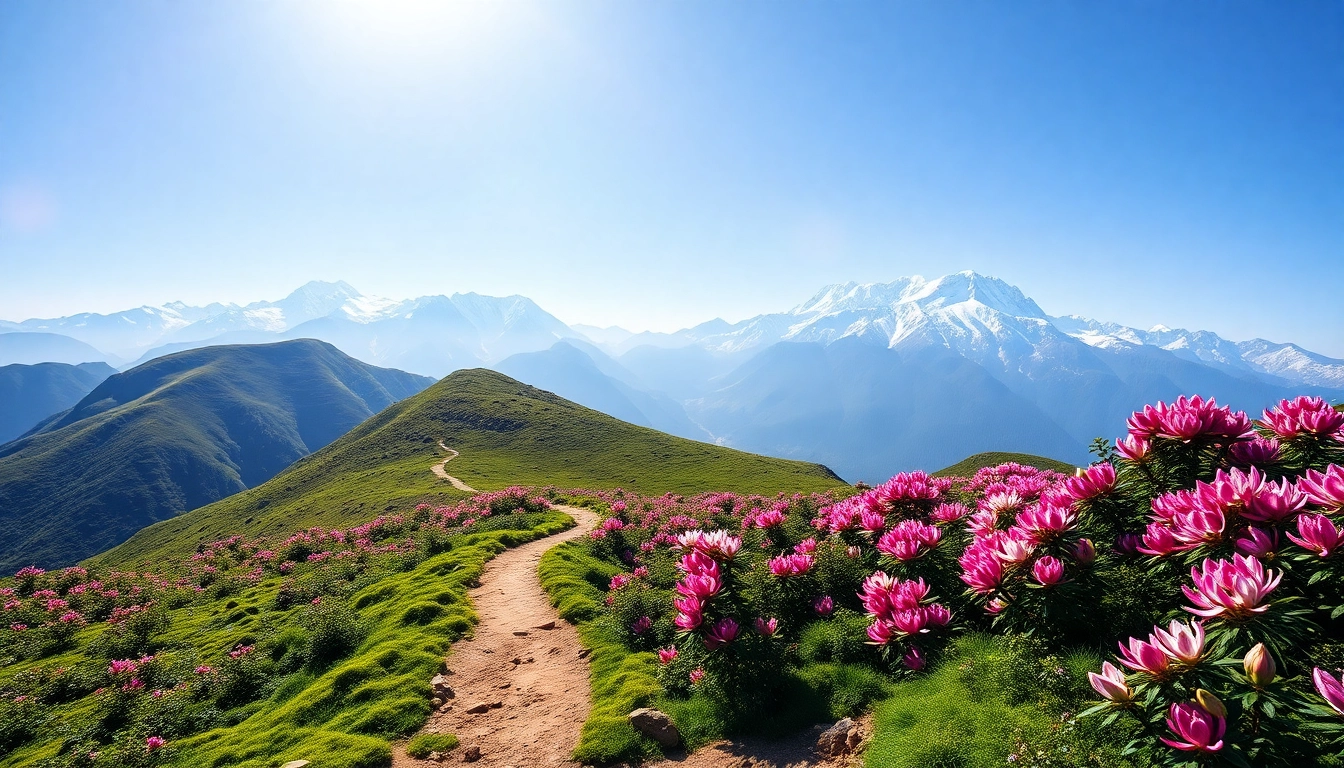
- Spring: Blooming flora and clear skies.
- Summer: Lush landscapes but prepare for possible rains.
- Autumn: Crisp weather with clear visibility of peaks.
- Winter: Snow-capped trails; ideal for experienced trekkers.
Frequently Asked Questions About the Sandakphu Trek
Is the Sandakphu Trek suitable for beginners?
Yes, the Sandakphu trek is suitable for beginners with good physical fitness. It offers a mix of terrains that can be manageable with basic endurance training.
How challenging is the Sandakphu Trek?
The trek is of moderate difficulty. While it involves long days of hiking, most paths are not technically demanding. Be prepared for altitude changes and varying weather.
What wildlife can you see on the trek?
Expect to encounter diverse wildlife, including red pandas, Himalayan black bears, and various bird species. The area is also renowned for its rich flora, particularly rhododendron forests.
Can you see Mount Everest from Sandakphu?
Absolutely! From Sandakphu, trekkers can experience breathtaking views of four of the highest peaks in the world, including Mount Everest, making it a once-in-a-lifetime experience.
What accommodations are available during the trek?
The trek features several tea houses and campsites where trekkers can rest overnight. Basic amenities are available, and local cuisine often includes delicious meals made from fresh ingredients.