
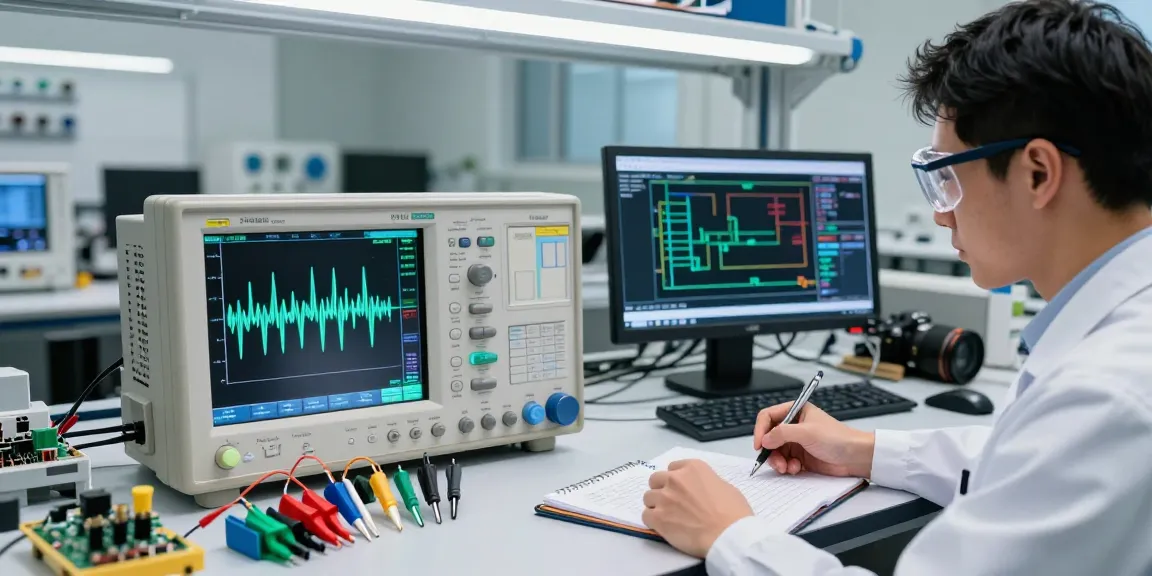
Mastering the 2 Channel Digital Oscilloscope: Essential Techniques for 2026
Understanding the 2 Channel Digital Oscilloscope
The evolution of electronic testing tools has significantly enhanced the capabilities of engineers and hobbyists alike, particularly in the realm of signal measurement. Among these tools, the 2 Channel Digital Oscilloscope stands out as an essential device for analyzing and troubleshooting electronic signals. With its ability to capture two signals simultaneously, it allows for more detailed observations of the interactions between different circuit elements, making it invaluable for precision testing and diagnostic purposes.
What is a 2 Channel Digital Oscilloscope?
A 2 Channel Digital Oscilloscope is a device designed to visualize and measure electronic signals. It captures and displays voltage fluctuations over time, allowing users to analyze waveforms and their properties such as frequency, amplitude, and time intervals. Unlike single-channel oscilloscopes, the dual-channel feature enables engineers to compare two signals side by side, making it easier to troubleshoot problems in complex circuits and systems.
Key Features and Specifications
- Bandwidth: Measured in megahertz (MHz), this indicates the range of frequencies the oscilloscope can effectively measure. For instance, a 110 MHz oscilloscope can accurately display signals up to that frequency.
- Sampling Rate: This is the number of samples taken per second, typically measured in giga samples per second (GSa/s). A higher sampling rate allows for a more precise representation of fast-changing signals.
- Memory Depth: This refers to the amount of data the oscilloscope can store. Greater memory depth enables longer observation times and more detailed analysis of waveforms.
- Triggering Options: Various triggering functions help stabilize repetitive waveforms, allowing for detailed examination of specific events within a signal.
- User Interface: Modern oscilloscopes often come equipped with intuitive displays and controls, including touch screens, which enhance usability and productivity.
Applications in Electronics Testing
The applications of 2 Channel Digital Oscilloscopes are diverse, benefiting various industries and fields. Some common uses include:
- Signal Integrity Testing: Engineers utilize oscilloscopes to verify that signals maintain their integrity throughout a circuit, reducing the risk of operational failures.
- Communication Systems: In designing and testing communication devices, dual-channel oscilloscopes help analyze both transmitted and received signals for effective troubleshooting.
- Embedded Systems: Developers of embedded systems benefit from oscilloscopes to monitor microcontroller outputs, ensuring proper functionality.
- Automotive Diagnostics: Mechanics use these tools to diagnose issues in automotive electronic systems, making it easier to observe multiple signals simultaneously.
Choosing the Right 2 Channel Digital Oscilloscope
When selecting a 2 Channel Digital Oscilloscope, it’s essential to consider various factors that can affect your experience and outcomes. The choice depends on your specific needs, whether you are a hobbyist or a professional engineer looking for advanced features.
Factors to Consider When Buying
- Bandwidth vs. Frequency Range: Ensure the oscilloscope’s bandwidth is suitable for your applications. A device with insufficient bandwidth may not accurately measure higher frequency signals.
- Sampling Rate: A higher sampling rate is essential for accurately capturing fast signals and transient events.
- Display Quality: Look for oscilloscopes equipped with high-resolution displays for better visibility and ease of use.
- Portability: Depending on your working environment, consider the size and weight of the oscilloscope. Handheld models may be beneficial for fieldwork.
- Connectivity: Some scopes offer USB, Ethernet, or Wi-Fi connectivity for data transfer and remote monitoring. This feature can be particularly useful in a laboratory setting.
Comparing Different Models
When comparing various models of 2 Channel Digital Oscilloscopes, it’s crucial to assess their specifications, including bandwidth, sampling rate, and price. Models like the HANMATEK® DOS1102 and DOS1202 offer different performance levels suitable for diverse applications, from basic testing to advanced diagnostics.
Budget vs. Advanced Options
Budget considerations play a significant role in decision-making. While more advanced models often come with additional features such as deeper memory and higher sampling rates, many budget-friendly options still provide substantial value for general applications. Choosing the right model requires balancing your immediate needs with potential future projects.
Best Practices for Using 2 Channel Digital Oscilloscopes
To maximize the capabilities of your oscilloscope and enhance your measurement accuracy, following best practices is essential.
Setting Up Your Oscilloscope
- Calibrate the Device: Always calibrate your oscilloscope before use to ensure accurate measurements.
- Connect Probes Correctly: Ensure that probes are correctly connected to the circuit of interest to avoid erroneous readings.
- Select Proper Settings: Adjust the vertical scale, time base, and trigger settings according to the signal you intend to measure.
Common Measurement Techniques
In addition to basic waveform observations, users can employ several measurement techniques with a 2 Channel Digital Oscilloscope:
- Peak-to-Peak Measurement: This measures the total voltage difference between the highest and lowest points of the waveform.
- Frequency Measurement: Utilize the oscilloscope to measure the frequency of waveforms, crucial for signal processing applications.
- Phase Measurement: Compare the timing difference between two signals to determine their phase relationship, especially in AC circuits.
Avoiding Common Mistakes
Many users, particularly beginners, often encounter pitfalls when using oscilloscopes. Some common mistakes include:
- Not Setting the Trigger: Failure to set the trigger properly can result in unstable or confusing waveforms.
- Incorrect Probe Attenuation: Ensure that the probe’s attenuation settings match the oscilloscope settings for accurate readings.
- Ignoring Grounding Issues: Properly grounding your oscilloscope and probes is vital to prevent noise and ensure accurate measurements.
Advanced Techniques in Oscilloscope Analysis
For users looking to deepen their understanding and usage of oscilloscopes, employing advanced analysis techniques can yield valuable insights.
Utilizing Trigger Functions Effectively
Modern digital oscilloscopes come with sophisticated triggering options that help users capture transient signals. Learning to set up edge, pulse, and video triggers allows for more precise signal analysis and helps isolate specific events within complex waveforms.
Interpreting Waveforms
Interpreting waveforms involves understanding various characteristics such as rise times, fall times, and overshoot which can indicate potential issues within electronic systems. Learning to analyze these traits can aid in diagnosing malfunctioning circuits.
Data Logging and Analysis
Many 2 Channel Digital Oscilloscopes now feature data logging capabilities. This allows users to store measurement data for later analysis, enabling comprehensive reviews and reports that can be beneficial for project documentation or troubleshooting sessions.
The Future of Digital Oscilloscopes in 2026
The digital oscilloscope market continues to evolve, driven by technological advancements and increasing user demands. By 2026, we can expect significant changes and innovations in this field.
Emerging Technologies and Features
Future oscilloscopes may include enhanced connectivity options, integrated AI for real-time data analysis, and improved user interfaces that simplify complex measurements and enhance user experiences.
Industry Trends and Innovations
As the demand for more sophisticated electronic devices grows, so does the need for measuring tools that can keep up. Innovations in bandwidth and sampling rates will cater to high-frequency applications, especially in the fields of telecommunications and automotive electronics.
The Role of AI and Automation
AI is expected to play a crucial role in the next generation of oscilloscopes, facilitating more intelligent data analysis, automatic fault detection, and even predictive analytics based on user-defined parameters.
What are the benefits of a 2 channel oscilloscope?
A 2 channel oscilloscope allows users to compare two signals against each other, facilitating a more in-depth analysis of circuit behavior, which is essential for troubleshooting and design validation.
How do I choose the right digital oscilloscope for my needs?
Consider factors such as the bandwidth, sampling rate, and specific features aligned with your project requirements. Assessing whether you need portability or advanced functionalities will also guide your decision.
What common mistakes should I avoid when using an oscilloscope?
Avoid neglecting to calibrate your device, failing to select the correct probe settings, and improper grounding which can all lead to inaccurate measurements and analyses.
Are there specific applications where a 2 channel oscilloscope excels?
Yes, it excels in applications where comparing two signals is essential, such as in communications, automotive diagnostics, and embedded systems development.
What future trends can we expect in digital oscilloscopes?
Future trends point to greater integration of smart features, enhanced connectivity options, and improvements in data processing capabilities, making oscilloscopes more user-friendly and versatile.