
Mastering the Art of Colonial Home Renovation: Tips and Insights
Understanding Colonial Home Renovation
What is Colonial Home Renovation?
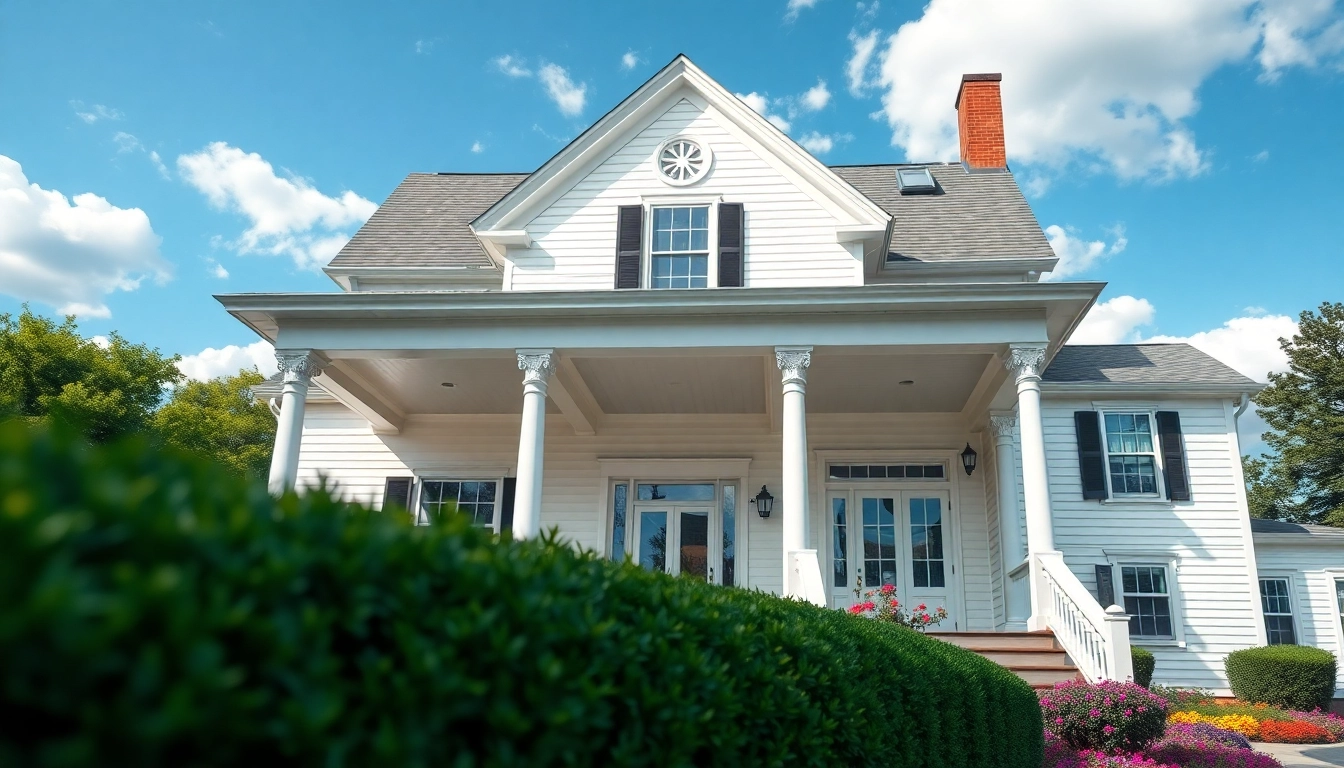
Colonial home renovation entails updating or modifying homes built in the colonial style, which typically reflects the architectural traditions of the Colonial period in America. This style, characterized by symmetry, proportion, and classic detailing, often requires thoughtful interventions to preserve historical integrity while meeting modern functionality. It may include structural repairs, aesthetic improvements, and adaptations to new living standards. Engaging in a colonial home renovation can significantly enhance the value of your property while maintaining its character.
Key Elements of Colonial Architecture
Colonial architecture is deeply rooted in European styles, showcasing both European settlers’ and early American settlers’ influences. Key characteristics include:
- Symmetry: Colonial homes typically have a symmetrical façade with evenly spaced windows and a central entrance.
- Columned Porticos: Many colonial homes feature grand porches supported by columns, adding elegance and charm.
- Materials: Original colonial homes were often built using local materials like wood and brick, essential for authenticity in renovations.
- Gabled Roofs: Steep, gabled roofs provide architectural interest and help with snow shedding in colder climates.
- Detailed Moldings: Colonial design is known for its use of detailed moldings and trims around doors and windows.
Common Reasons for Colonial Home Renovation
Homeowners pursue colonial home renovations for various reasons, including:
- Preservation: To maintain and restore architectural features that define the historical significance of the home.
- Modernization: To incorporate up-to-date amenities and technology while retaining the home’s classic character.
- Increased Value: Renovations can significantly increase property value, appealing to potential buyers.
- Functionality: To create more functional spaces that suit contemporary living, such as open floor plans or expanded kitchens.
- Energy Efficiency: To improve insulation and energy efficiency standards, reducing utility costs and environmental impact.
Planning Your Colonial Home Renovation
Setting a Realistic Budget
Establishing a realistic budget is the cornerstone of any successful renovation project. Begin by evaluating the extent of renovations required, assessing both minor improvements and major structural changes. Factor in costs for labor, materials, permits, and unexpected repairs. It’s prudent to set aside 10-20% of your budget as a contingency for unforeseen expenses.
Choosing the Right Design Style
While colonial architecture has a specific style, there is a breadth of design variations such as Georgian, Federal, and Cape Cod influences. It’s vital to determine which elements resonate with you and reflect your personal aesthetic while harmonizing with the home’s original architecture. Studying historical references and modern interpretations can help establish a cohesive design vision.
Hiring Professionals vs DIY
The decision to hire professionals or undertake the renovation yourself can significantly influence the outcome. Professionals offer expertise, adherence to safety regulations, and access to quality materials. Conversely, a DIY approach can be cost-effective if you possess skills relevant to construction or design. Weigh the pros and cons carefully, considering the complexity of the project and your comfort level with renovation tasks.
Executing a Successful Colonial Home Renovation
Essential Steps to Start Your Renovation
Kick off your renovation with a clear plan. Follow these essential steps:
- Conduct a Thorough Inspection: Assess the property’s condition, including structural integrity, plumbing, and electrical systems.
- Create Detailed Plans: Develop detailed blueprints and a phased approach to the renovation, addressing areas requiring immediate attention.
- Secure Necessary Permits: Before commencing work, ensure compliance with local regulations by obtaining required building permits.
- Choose a Reliable Contractor: If hiring professionals, vet contractors thoroughly, reviewing portfolios, references, and licenses.
Managing the Renovation Timeline
A well-structured timeline helps keep your renovation on track. Begin by allocating time for each phase of the project, from planning and permits to the actual construction. Regular check-ins and adaptability are crucial as delays can occur due to weather, supply chain issues, or contractor availability.
Utilizing Quality Materials
Quality materials are critical in maintaining the integrity of colonial home designs. When selecting materials, prioritize those that match the original aesthetics, such as reclaimed wood, authentic bricks, or traditional paint finishes. Using subpar materials can detract from the home’s character and could lead to higher maintenance costs in the long run.
Post-Renovation Enhancements
Landscaping Your Colonial Home
Outdoor spaces significantly influence the overall appeal of colonial homes. Landscaping should complement the architecture by maintaining historical accuracy and utilizing classic elements such as boxwood gardens, pathways of natural stone, and historically appropriate plants. Consider hiring a landscape architect familiar with historical designs to achieve a cohesive look.
Interior Design Tips for Renovated Spaces
Interior design plays a vital role in highlighting your home’s features. Incorporate traditional furnishings that echo the era, such as wooden dining tables, vintage-style rugs, and period lighting fixtures. Opt for neutral palettes interspersed with bold hues to emphasize architectural details without overwhelming the space. Custom cabinetry and millwork will add an authentic touch while providing functional benefits.
Maintaining Your Renovated Colonial Home
Ongoing maintenance is essential to preserve your colonial home’s charms and prevent wear and tear. Regular inspections should cover the roof, foundation, and key finishes. Implement a seasonal maintenance schedule that includes cleaning gutters, inspecting exterior paint, and ensuring landscaping is well-maintained. Utilizing appropriate cleaning materials can also help preserve the integrity of original finishes.
Frequently Asked Questions about Colonial Home Renovation
What are the costs involved in colonial home renovation?
Costs vary widely depending on the scope of work and location, with renovations typically ranging from a few thousand dollars for minor adjustments to several hundred thousand for extensive restorations.
How can I maintain the original character of my colonial home?
To maintain character, focus on authentic materials, traditional colors, and period design features. Prioritize preserving original architectural details during renovations.
Are there specific materials recommended for colonial renovations?
Common recommended materials include hardwood for floors, authentic brick or clapboard for exteriors, and traditional paint finishes to ensure authenticity and longevity.
What design elements should be prioritized in renovation?
Focus on preserving entryways, window trims, moldings, and original staircases. These elements enhance the home’s historical value and aesthetic appeal.
How long does a typical colonial home renovation take?
The timeline for a colonial home renovation varies, with most projects taking anywhere from a few months to over a year, depending on complexity and scope.