
Research-Backed Bed Bug Pest Control Strategies That Deliver Effective Solutions in 2026
Understanding Bed Bugs and Their Impact on Homes
Bed bugs are nocturnal pests that can cause significant distress for homeowners, often leading to sleepless nights and anxiety. Known for their resilience and elusive nature, these small insects can infiltrate homes silently, resulting in a full-blown infestation before most people even realize there’s an issue. Understanding their biology, behavior, and the impact they can have on your home is crucial for effective prevention and treatment. When exploring options, Bed bug pest control professionals can provide comprehensive insights into managing these unwanted guests.
What Are Bed Bugs and How Do They Infest?
Bed bugs, scientifically known as Cimex lectularius, are small, brownish insects that feed on the blood of humans and animals. Typically measuring about 1/4 inch long, their flat bodies allow them to squeeze into tiny crevices, making identification and removal challenging. These pests do not fly but can easily travel from one location to another via clothing, luggage, or used furniture. Once they enter a home, they often hide in mattresses, box springs, bed frames, and even behind baseboards and electrical outlets.
Common Signs of Bed Bug Infestation
Detecting bed bugs early can prevent a small infestation from escalating into a larger problem. Some common signs include:
- Itchy Red Bites: Many people experience itchy welts or red spots on their skin after bed bug bites, typically in a line or cluster.
- Blood Stains: Small blood spots may appear on bedding or furniture, indicating that bed bugs have been feeding.
- Dark Spots: Excrement from bed bugs can leave small, inky spots on sheets, mattresses, and walls.
- Eggs and Shells: Bed bug eggs are tiny (about 1mm) and can be found in hiding spots, as well as shed skins.
The Health Risks Associated with Bed Bugs
While bed bugs are not known to transmit disease, their bites can lead to secondary infections due to scratching. Additionally, the psychological effects of living with a bed bug infestation can include anxiety, insomnia, and even depression. It’s essential to address any signs of bed bugs promptly to minimize both physical and emotional stress.
Effective Bed Bug Pest Control Methods
When it comes to eliminating bed bugs, various methods exist, each with its pros and cons. Understanding these methods can help you make informed decisions about pest control options.
Comparing Heat vs. Chemical Treatments
Two of the most common treatments for bed bugs are heat treatments and chemical spray treatments. Heat treatment involves raising the temperature of a room to levels lethal to bed bugs, effectively killing them at all life stages, including eggs. This method is eco-friendly and also eliminates other allergens such as dust mites.
On the other hand, chemical treatments involve the application of pesticides to crevices and surfaces where bed bugs hide. This method can create a residual barrier that lasts up to 120 days, which is crucial for preventing re-infestation. Combining both methods often yields the best results, addressing immediate and long-term pest control needs.
Step-by-Step Guide to DIY Bed Bug Control
If you suspect a bed bug infestation, there are steps you can take before calling a professional:
- Confirm the Infestation: Look for the signs mentioned above to verify that you are dealing with bed bugs.
- Declutter: Remove unnecessary items from your living space to reduce hiding spots for bed bugs.
- Wash and Heat-Dry Bedding: Use hot water and high heat to wash and dry bed linens, clothing, and other washable items.
- Vacuum Thoroughly: Vacuum carpets, floors, and upholstered furniture, paying special attention to seams and crevices.
- Use Bed Bug Encasements: Protect mattresses and box springs with encasements designed to trap bed bugs inside and prevent new bugs from entering.
When to Call in the Professionals
While some DIY methods can be effective, bed bugs are notoriously difficult to eradicate completely without professional assistance. If you notice persistent signs of bed bugs despite your efforts, it’s time to call in bed bug pest control experts. These professionals have the training, specialized equipment, and access to powerful insecticides necessary to eliminate bed bug infestations effectively.
The Role of Inspection in Bed Bug Extermination
Professional inspections are crucial in accurately diagnosing a bed bug problem and determining the most effective treatment strategy.
How Experts Conduct Bed Bug Inspections
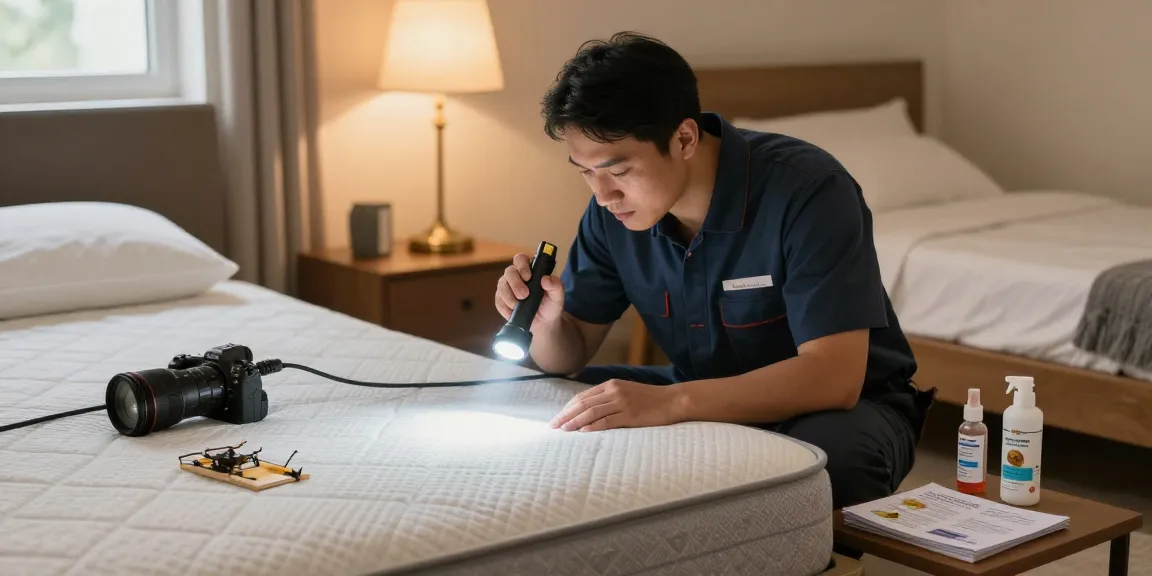
During a professional inspection, pest control specialists will conduct a thorough visual check of your home, focusing on potential hiding spots such as mattresses, furniture, and baseboards. They may also use specialized equipment to aid in detection.
Importance of K9 Inspections for Early Detection
Canine detection teams are becoming increasingly popular for identifying bed bug infestations. Trained dogs can sniff out bed bugs before they become visible, ensuring early intervention and more effective treatment.
Using Traps and Monitors for Confirming Infestations
Bed bug traps and monitors can be utilized both during and after treatment to confirm the effectiveness of pest control efforts. These devices help capture any remaining bugs, alerting you to ongoing problems.
Preventative Strategies for Bed Bug Control
Once bed bugs have been eradicated, implementing preventative strategies can help keep them from returning.
Best Practices for Travel and Luggage Management
Bed bugs are excellent hitchhikers, often traveling in luggage or personal items. To minimize the risk of bringing bed bugs home:
- Inspect Hotel Rooms: Check for signs of bed bugs in hotel rooms before unpacking. Look for blood spots on sheets and inspect the mattress seams.
- Keep Luggage Off the Floor: Use luggage racks or place bags on hard surfaces when traveling to reduce exposure.
How to Inspect Second-Hand Furniture Safely
Purchasing second-hand furniture can be a risk if not approached carefully. Before bringing items into your home:
- Thoroughly Inspect: Look for signs of bed bugs in all nooks and crannies of furniture.
- Consider Treatment: If possible, treat the items with a heat source or contact professionals for inspection.
Regular Maintenance Tips to Avoid Infestations
Routine maintenance in your home can help prevent bed bug infestations:
- Regular Cleaning: Vacuum and clean your home regularly to minimize hiding spots.
- Monitor for Signs: Be proactive in checking for signs of bed bugs, especially after travel or acquiring second-hand goods.
Customer Experiences: Success Stories and Testimonials
Understanding the experiences of others can provide insight into the effectiveness of bed bug treatments.
Real-World Case Study: Effective Treatment in Action
One notable case involved treating a multi-unit apartment building where infestations were reported in several units. After a comprehensive inspection and treatment plan, including both heat and chemical methods, the infestation was completely eradicated, resulting in high tenant satisfaction.
What Our Customers Say About Our Services
Customer feedback highlights the importance of professional pest control interventions. Many express relief at the effectiveness of treatments and appreciation for the customer service provided by pest control professionals.
Long-Term Results and Customer Satisfaction Metrics
Tracking customer satisfaction post-treatment can help gauge the long-term effectiveness of bed bug pest control methods. Many clients report peace of mind knowing their homes are free from bed bugs and that preventative measures are in place.
Can you get rid of bed bugs with pest control?
Yes, professional pest control services are the most effective way to eliminate bed bugs. They employ a combination of methods tailored to the severity of the infestation, ensuring comprehensive results.
How much will it cost to remove bed bugs?
The cost of bed bug removal varies based on the level of infestation and the chosen treatment methods. On average, homeowners can expect to pay between $300 and $1,500, depending on the size of the area being treated and the methods used.
What are the most effective bed bug treatment methods?
Combining heat and chemical treatments tends to yield the best results in treating bed bug infestations. Heat treatment is particularly effective at killing all life stages, while chemical treatments provide a long-lasting barrier against re-infestation.
How can I prevent a bed bug infestation?
Regular inspections, proper travel practices, and vigilance when acquiring second-hand items are key strategies for preventing bed bug infestations.
What to do if I see signs of bed bugs?
Immediately report any signs of bed bugs to a pest control professional. Early detection is key to effectively managing and eliminating infestations.