
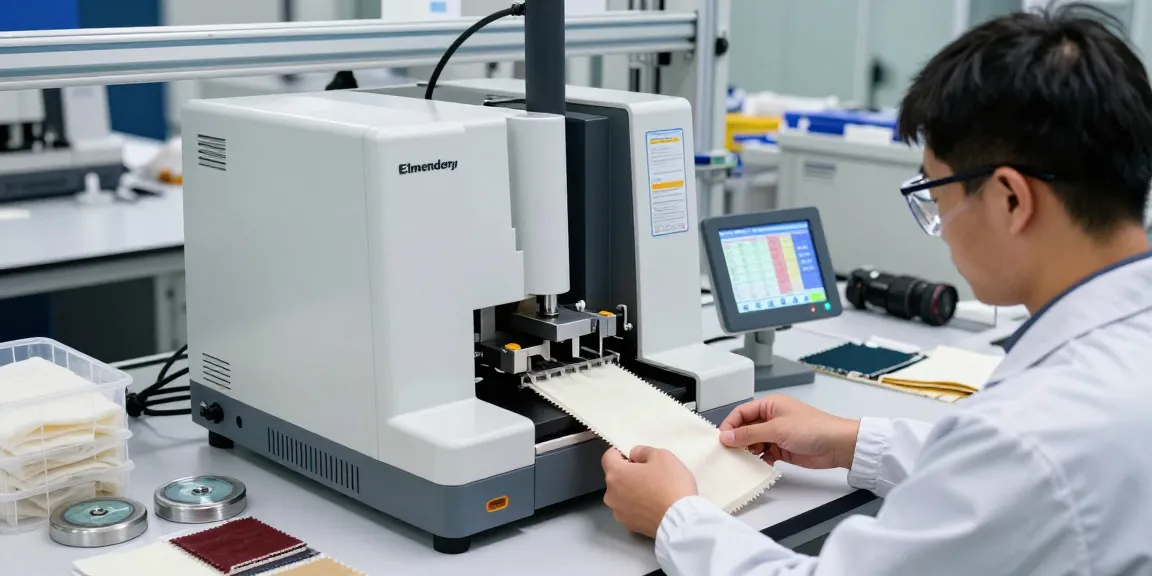
Tearing Strength Test Method Explained: The Essential Overview for Textile Technicians in 2026
Understanding the Tearing Strength Test Method
The tearing strength test method is a critical procedure used in various industries to determine the resistance of materials, particularly fabrics, to tearing forces. As a mechanical property, tearing strength is essential for understanding how materials behave under stress, making it significant in quality control and product development processes. This method not only helps in ensuring that products meet industry standards but also plays a vital role in material selection and design. When exploring options, tearing strength test method offers comprehensive insights that can enhance material evaluation practices.
What is the Tearing Strength Test Method?
The tearing strength test method is a standardized procedure that evaluates the ability of a material to resist the propagation of a tear. It involves cutting a specimen into a defined shape and applying a force until a tear occurs. The primary aim is to measure the force required to initiate and continue the tear, providing valuable data on the material’s integrity and suitability for various applications.
Importance of Accurate Testing in Textiles
Accurate tearing strength testing is vital in the textile industry, where the durability and performance of fabrics are of paramount importance. Fabrics used in apparel, upholstery, and industrial applications must withstand different types of mechanical stress without failing. By employing reliable testing methods, manufacturers can ensure product safety and quality, thereby enhancing consumer trust and reducing the risk of product recalls.
Common Applications of the Tearing Strength Test
Various industries employ the tearing strength test method, including:
- Textiles: Assessing the durability of garments, upholstery, and technical textiles.
- Papers and Films: Evaluating packaging materials and papers that require specific tear resistance.
- Composite Materials: Testing layered materials used in aerospace and automotive industries.
How the Elmendorf Tester Works
The Elmendorf tester is a specialized device that automates the tearing strength test method. Its operation is based on the ballistic pendulum principle, allowing for precise measurement of the energy lost during a tear, which directly correlates to the tearing strength of the material.
Principle of Operation of Elmendorf Testing
During testing, a pendulum is released from a specific height, and as it swings down, it strikes the sample prepared with a notch. The energy required to propagate the tear is calculated based on the height from which the pendulum fell and the swing’s deceleration, ensuring accurate results that reflect the material’s performance.
Setup and Calibration Procedures
Setting up the Elmendorf tester involves the following steps:
- Ensure the machine is level and positioned appropriately in the lab.
- Attach the sample securely in the testing fixture, ensuring no slippage during the test.
- Verify that the pendulum is calibrated correctly by checking it against known standards.
- Perform a trial test with a control sample to confirm accuracy before proceeding with actual samples.
Safety Features and User Guidelines
Safety is paramount when using the Elmendorf tester. Key safety features include:
- Dual-button Activation: Prevents accidental release and keeps operators at a safe distance from the pendulum.
- Ergonomic Design: Makes the machine user-friendly, minimizing strain on operators.
Operators should also follow guidelines such as wearing safety goggles and ensuring the testing area is free from obstructions.
Comparing Elmendorf to Traditional Testing Methods
While traditional tearing strength testing methods exist, the Elmendorf tester provides several advantages that enhance testing efficiency and reliability.
Advantages of Automated vs. Manual Testing
Automated tests, such as those performed with the Elmendorf tester, significantly reduce human errors associated with manual testing. Additionally, they offer faster results, which are crucial for high-throughput environments where time is a critical factor.
Accuracy and Precision: A Side-by-Side Analysis
The Elmendorf tester boasts an accuracy of ±0.2%, which is much higher than many manual methods. This precision ensures that manufacturers receive consistent and reliable data vital for product development and compliance testing.
Cost-Effectiveness in the Long Run
Investing in automated testing equipment like the Elmendorf tester can lead to long-term savings. By minimizing errors and reducing testing time, companies can allocate resources more efficiently, ultimately lowering operating costs while enhancing product quality.
Best Practices for Effective Tearing Strength Testing
To achieve the most reliable results from tearing strength tests, it is important to follow best practices throughout the testing process.
Preparing Samples for Testing
Proper sample preparation is vital for accurate testing. Ensure that the specimens are cut to the recommended dimensions and notched according to specified standards. This process guarantees uniformity and comparability of results.
Interpreting Test Results Accurately
Understanding the outputs from tearing strength tests is crucial. Results should be assessed in the context of the material’s intended use, considering industry standards and performance requirements.
Maintaining Equipment for Consistent Performance
Regular maintenance of the Elmendorf tester ensures consistent performance. This involves routine checks, calibration, and prompt repairs as needed to uphold testing accuracy.
Future Trends in Textile Testing: What’s Next?
The field of textile testing is evolving rapidly, driven by advancements in technology and changing industry needs. Staying informed about these trends is essential for professionals in the field.
Innovations in Automated Testing Technologies
The integration of IoT devices in testing equipment is transforming how data is captured and analyzed. Automation is not only improving efficiency but also providing real-time insights that enhance decision-making processes.
Challenges Facing the Textile Testing Industry in 2026
As the industry adapts to new technologies, it faces challenges such as keeping up with evolving standards and ensuring that staff are trained in new methodologies. Addressing these challenges will require investment in training and development.
Emerging Standards and Regulatory Requirements
With ongoing advancements in materials and manufacturing processes, new standards are likely to emerge. Staying compliant with regulatory requirements will be essential for ensuring product quality and marketability.
What Impact Will IoT Have on Testing Procedures?
The incorporation of IoT technology into testing procedures allows for greater transparency and traceability. This evolution will enable labs to track test histories, monitor equipment performance, and enhance data management capabilities.
How Can Testing Labs Prepare for Changes Ahead?
To effectively prepare for upcoming changes, testing labs should invest in training programs for their staff, actively participate in industry forums, and continuously update their equipment to remain competitive in the market.