
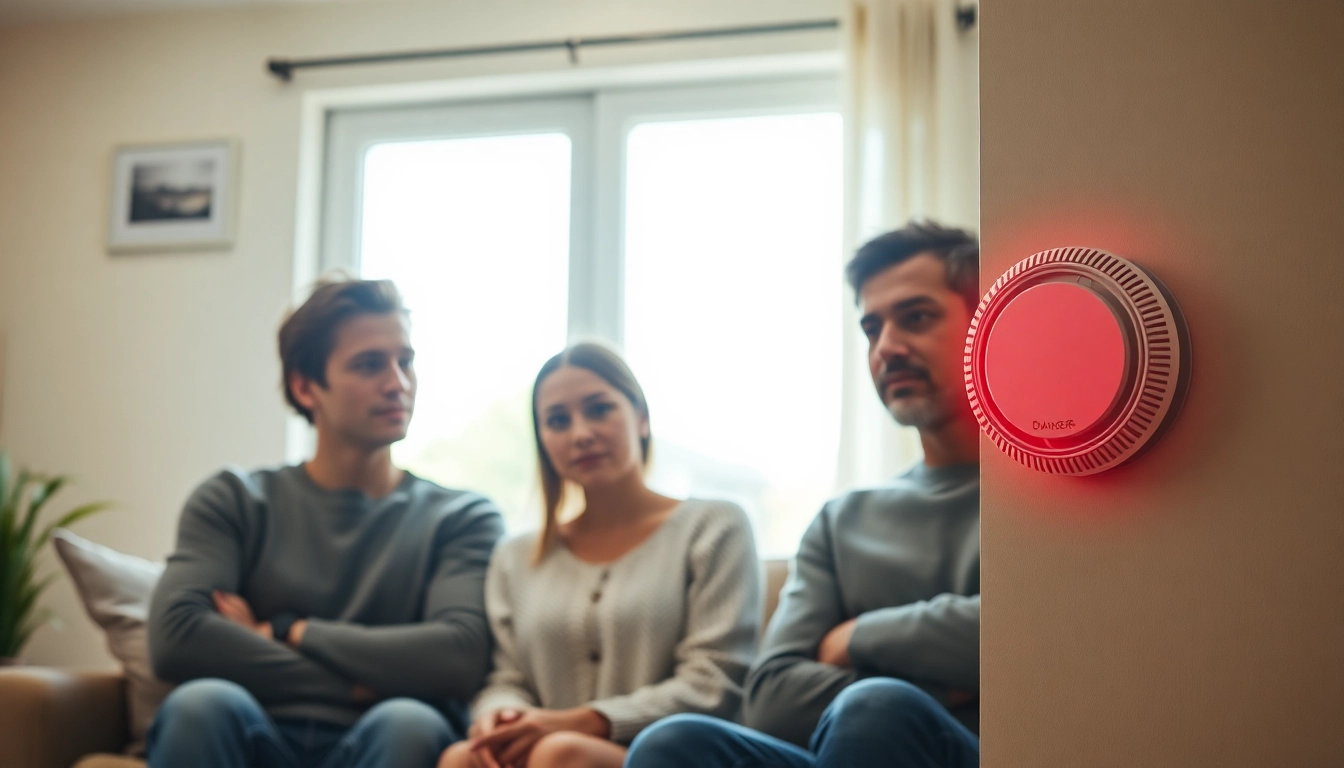
Understanding the Carbon Monoxide Detector Beeping: Causes and Solutions
Introduction to Carbon Monoxide Detectors
Carbon monoxide detectors are essential safety devices designed to monitor and alert occupants of the presence of carbon monoxide (CO), a colorless, odorless gas that can be deadly. Understanding the function and importance of these detectors is crucial for maintaining a safe living environment. Many homeowners grapple with the carbon monoxide detector beeping, which often signifies either a problem or a need for maintenance. This article will explore comprehensive insights into why carbon monoxide detectors beep, what actions to take, and how to minimize potential risks associated with carbon monoxide exposure.
What is a Carbon Monoxide Detector?
A carbon monoxide detector is a device that specifically seeks out carbon monoxide within the air. CO is produced by burning fossil fuels, and its dangerous nature stems from its ability to displace oxygen in the bloodstream. Carbon monoxide detectors generally come in two types: standalone units and those integrated with smoke alarms. Both types play a critical role in detecting the earliest signs of carbon monoxide in the environment, providing users with alerts to enable swift action.
How Do Carbon Monoxide Detectors Work?
Most carbon monoxide detectors work by utilizing electrochemical sensors that detect CO levels in the air. When carbon monoxide is present, the sensor generates a small current that activates the detector, leading to an audible alarm. Some detectors may also utilize biomimetic sensors that change color when exposed to carbon monoxide, triggering an alert. Regardless of the mechanism, the efficacy of these devices depends on regular maintenance and testing to ensure they operate reliably.
The Importance of Carbon Monoxide Safety
Carbon monoxide is known as the “silent killer” due to its lack of smell and color, making it nearly impossible to detect without proper equipment. According to the Centers for Disease Control and Prevention (CDC), over 400 people die in the United States each year from unintentional CO poisoning. The importance of installing and maintaining carbon monoxide detectors cannot be overemphasized. They serve as a vital safeguard against the life-threatening risks associated with CO exposure.
Common Reasons for Carbon Monoxide Detector Beeping
Aside from indicating an immediate threat, the carbon monoxide detector beeping can signify other less critical issues. Understanding these reasons can help homeowners respond appropriately, potentially alleviating unnecessary panic.
Low Battery Alerts
One of the most common reasons for beeping is a low battery alert. When the battery is non-functional or weak, the detector emits a chirping sound, prompting the homeowner to replace it. Regularly checking and changing the batteries, ideally at least once a year, can prevent any lapse in monitoring.
Malfunctioning Units
Another frequent cause of persistent beeping can be a malfunctioning unit. Detectors can experience failure due to various reasons, such as defective sensors or circuitry issues. If a unit continues to beep after battery replacement, it may be essential to consider replacing the detector entirely, ensuring reliable protection from carbon monoxide.
Environmental Factors
Environmental factors such as extreme temperatures or elevated humidity levels can also cause your carbon monoxide detector to beep. For example, installing a detector in a poorly ventilated area, such as a basement, can lead to frequent alerts. It’s crucial to install these devices in optimal locations, away from direct sunlight, moisture, and vents to avoid false alarms.
Immediate Actions to Take When the Detector Beeps
When facing the alarming sound of a carbon monoxide detector, knowing how to respond can make a significant difference in ensuring safety.
Evacuating the Area Safely
The first step when your carbon monoxide detector sounds an alert is to evacuate everyone from the premises immediately. Carbon monoxide can cause rapid incapacitation, so swift action is critical. Ensure that everyone moves to an outdoor environment or a location with fresh air until further assessment is done.
Identifying Possible Sources
Once safely evacuated and if all individuals are unharmed, try to pinpoint potential sources of carbon monoxide within your home. Common sources may include malfunctioning appliances, improperly ventilated fuel-burning engines, or blocked vents. If possible, turn off any fuel-burning equipment before doing any further investigation.
Contacting Emergency Services
After evacuating and assessing potential sources, contacting emergency services is essential. They can confirm the presence of carbon monoxide and facilitate necessary steps for remediation. It’s advisable not to re-enter the building until professionals have verified it is safe.
Long-Term Solutions for Carbon Monoxide Risks
Beyond immediate responses to alarms, implementing long-term strategies can significantly reduce the risks associated with carbon monoxide exposure.
Regular Maintenance and Testing
Regular maintenance and testing of carbon monoxide detectors are key to ensuring consistent functionality. Check your detectors monthly by pressing the test button. Replace the batteries annually and consider changing the entire unit every 5 to 7 years, or as recommended by the manufacturer. Keeping a log of testing dates can help homeowners stay on track.
Improving Home Ventilation
Proper ventilation plays a crucial role in minimizing the risks associated with carbon monoxide. Ensure that appliances are correctly vented and consider installing fresh air intakes or exhaust fans in areas prone to CO accumulation. Regularly inspect chimneys and flues to confirm they are clear of obstructions and functioning properly.
Installing Additional Detectors
For enhanced safety, consider installing multiple carbon monoxide detectors throughout your home, especially in sleeping areas and every level of the home. By ensuring that alarms are within earshot wherever you may be, you can increase your chances of a timely response in case of an emergency.
Frequently Asked Questions
What should I do if my carbon monoxide detector keeps beeping?
Immediately check for any gas sources and ensure ventilation, then contact emergency services. If the beeping persists without a clear threat, consider replacing the unit.
How often should I test my carbon monoxide detector?
Test your detector monthly to ensure it is functioning properly and replace batteries annually. Regular testing helps maintain safety preparedness.
Can I silence the beeping temporarily?
You can press the test/silence button, but ensure you investigate the issue promptly. Temporary silence may not resolve the underlying problem.
What are common symptoms of carbon monoxide exposure?
Symptoms include headache, dizziness, weakness, and confusion. If you experience these, evacuate immediately and seek medical advice if needed.
How long do carbon monoxide detectors last?
Most detectors last between 5 to 7 years; check the manufacturer’s recommendations for your specific device. Replace them regularly for continued safety.