
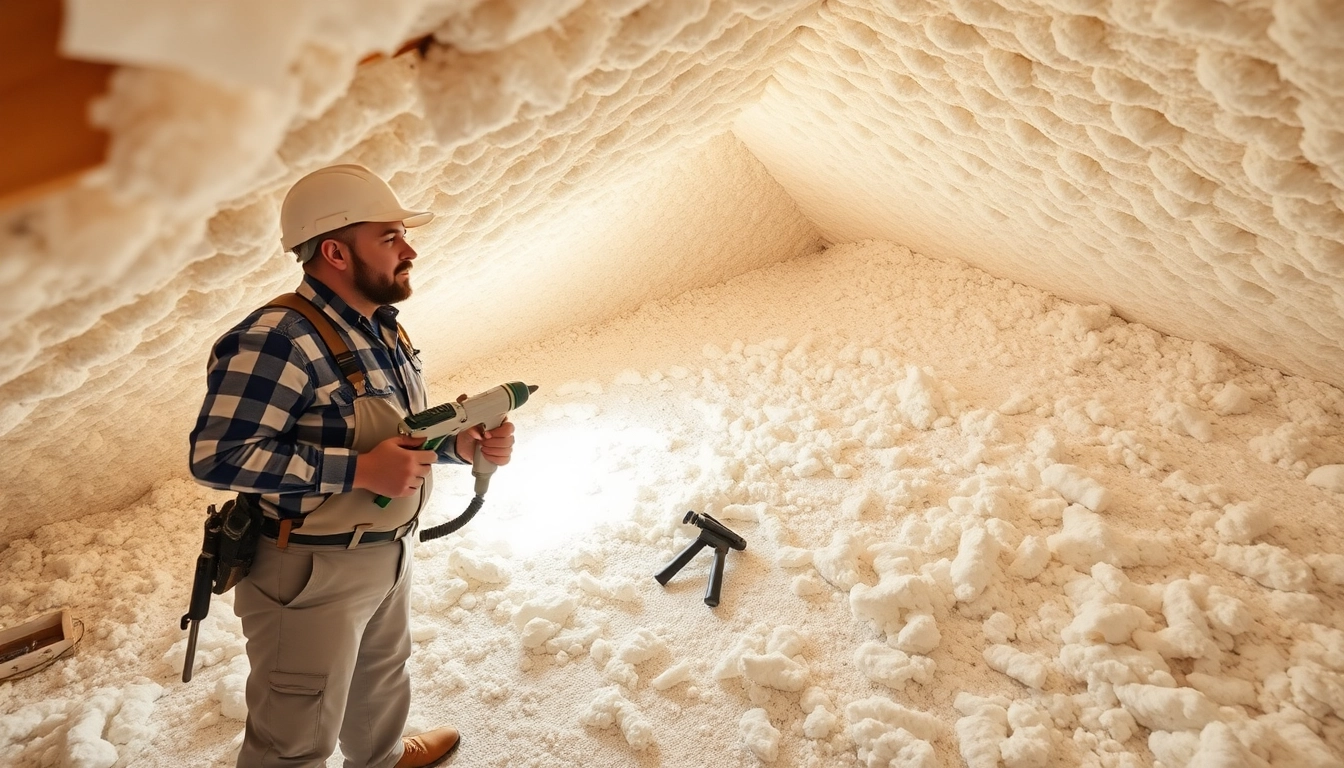
Understanding the Cost to Remove Spray Foam Insulation: A Comprehensive Guide
Factors Influencing the Cost to Remove Spray Foam Insulation
When considering the cost to remove spray foam insulation, multiple factors come into play that can significantly influence the overall expenses associated with this process. Understanding these elements is crucial for homeowners planning to undertake such a project, as they can dramatically affect both time and budget. Below, we explore these factors in detail.
Type and Age of Spray Foam Used
The specific type of spray foam insulation installed is one of the primary determinants of removal costs. Generally, the types of spray foam insulation can include open-cell and closed-cell varieties, each with unique properties. Open-cell foam, while less expensive, is softer and may tear more easily, potentially increasing labor time. In contrast, closed-cell foam is denser and harder, requiring specialized tools for removal, which can raise extraction costs.
Additionally, the age of the foam plays a significant role. Older foam that has bonded tightly with surfaces or become degraded over time may complicate removal, leading to higher labor costs and extended removal time frames.
Accessibility and Location of Insulation
Another critical factor influencing the cost to remove spray foam insulation is the accessibility of the installation site. Insulation located in hard-to-reach areas such as attics or crawl spaces can increase labor costs substantially due to the time and effort involved in removing it. If scaffolding or specialized equipment is needed to access the insulation, this will also add to the overall cost. On the other hand, insulation that is installed in easily accessible areas tends to be less expensive to remove.
Labor Costs in Your Area
Labor costs can vary significantly based on geographical location. Urban areas with higher costs of living typically experience increased rates for labor, while rural areas may offer lower pricing. It’s crucial to research local market rates as they can influence the final expenses for removal. Additionally, finding contractors with specialized experience in spray foam removal may lead to variance in quotes as well, depending on the individual company’s pricing structure.
Average Cost Breakdown for Removal
Understanding the average cost associated with the removal process can help homeowners budget effectively. While costs can vary significantly based on various factors, obtaining a clearer picture regarding average expenses is essential.
Pricing Structures for Different Scenarios
The average cost to remove spray foam insulation typically ranges from £1.50 to £2.75 per square foot. However, these figures can be misleading as they depend heavily on individual circumstances. Take into account whether the foam needs to be removed from one area or multiple sections of the home. Larger projects will usually allow for a bulk discount, while smaller jobs may incur a minimum fee that influences the total cost. As a result, homeowners should seek multiple quotes and clearly define the project scope when reaching out to contractors.
Hidden Costs to Consider
In addition to the visible costs associated with removal, homeowners should be prepared for potential hidden costs. These may include: replacement of drywall or insulation, potential structural repairs if the foam has caused damage, disposal fees for the removed foam, and even unexpected discoveries (like mold or pest infestations) that may arise during the removal process. Ensuring you have a contingency budget ready for these possibilities is a wise approach.
Comparing Costs with Other Insulation Types
When weighing the cost to remove spray foam insulation against other insulation options, it is essential to consider not only the removal expenses but the installation costs as well. Traditional insulation types such as fiberglass or cellulose generally have lower removal costs but often come with their own disadvantages. Homeowners should evaluate both types to determine which insulation offers the best long-term value. Additionally, balancing removal costs with the benefits gained from each insulation material can influence decision-making.
Safety Considerations During Removal
Removing spray foam insulation is not just a matter of cost; safety is also crucial. The removal process can be hazardous if proper precautions are not taken. Here are the major safety concerns to keep in mind.
Protective Gear and Equipment
Before beginning the removal process, it’s essential to have the appropriate protective gear. This includes gloves, goggles, and respiratory masks due to the potential for inhaling dust and particles released during removal. Using protective clothing is vital to prevent skin contact with any residual foam material. Moreover, having specialized tools ensures that you can complete the job safely and efficiently.
Identifying Potential Hazards
Not all hazards are immediately visible. Hazardous materials, such as mold or asbestos, could be present in areas surrounding spray foam insulation, especially in older homes. Before proceeding with removal, an inspection should be performed. Professional removal services often include such inspections and can provide the necessary assessments to identify potential hazards ahead of time.
Health Risks Associated with Spray Foam Insulation
While spray foam insulation serves to protect a home from external conditions, it can pose health risks during removal. The primary concern is exposure to isocyanates—a group of chemicals used in foam creation. When spray foam is disturbed, these chemicals can become airborne, posing respiratory risks. Thus, proper ventilation and protective respiratory gear are mandatory to mitigate such risks during the removal process.
DIY vs. Professional Removal: Pros and Cons
Choosing between DIY removal and hiring professionals presents its own challenges and benefits. Each option has merits, but understanding them can help homeowners decide the best approach for their situation.
Evaluating Your Skillset for DIY
Before considering DIY removal, it’s essential to evaluate your skills and comfort level with this type of project. Conducting a successful removal requires knowledge of tools, safety protocols, and proper disposal techniques. A lack of experience may lead to improper removal, resulting in more extensive repairs and increased costs. For those confident in their abilities, DIY can offer significant savings, but it also bears risks.
When to Hire a Professional
Engaging a professional service generally eliminates many of the risks associated with removal. Professionals have the right equipment and experience to perform the job safely and efficiently. They can also handle any unexpected issues, such as hazardous materials, which a layperson may be unequipped to manage. Hiring professionals may be the suitable option for those who are unsure about their skills or who are dealing with extensive insulation.
Cost Comparison: DIY versus Professional Services
The cost comparison between DIY and professional services can be complex. DIY removal may initially seem less expensive, but factors like safety gear, disposal fees, and time investment must be factored in. In contrast, while professional services come at a higher upfront cost, they ensure safety and potentially save on future expenses caused by improper removal. Analyzing your flexibility with time and budget will aid in making the right choice for your home.
Frequently Asked Questions about Spray Foam Insulation Removal
How long does the removal process take?
The time required for spray foam insulation removal can vary based on the size of the area and the type of foam. Typically, you might expect the process to take anywhere from a few hours to several days.
Will I need to replace my insulation?
In many cases, after removing spray foam insulation, you may choose to replace it with a different type of insulation. However, this is not always necessary.
Can I do this myself?
While DIY removal of spray foam insulation is possible, it requires significant expertise and protective measures. For many, hiring a professional is safer and more effective.
What’s the best method for safe removal?
Employing specialized tools and following safety protocols is the best method for removing spray foam safely. It’s advisable to consult professionals for hazardous removals.
Is there a warranty on removed insulation?
Typically, warranties on insulation may not apply once it is removed. It’s best to inquire about warranties before installation for future reference.